Aled Edwards and Mark Williams are among a growing number of fathers speaking out about their struggles with post-natal depression (PND). Their experiences highlight a significant yet often overlooked aspect of mental health in new parents, particularly fathers, who face unique challenges during the transition to parenthood.
Edwards, 40, first encountered symptoms of depression when his wife, Sophie, was pregnant with their son, Sullivan. He experienced vivid nightmares, including one where he fought off home intruders, reflecting the intense stress he felt while trying to start a family. Initially, he attributed these feelings to typical first-time dad nerves, unaware of the deeper mental health issues he would confront later.
As Sophie became pregnant with their daughter, Bea, the nightmares returned, more intense and distressing. “I felt like I had no motivation to do anything; I wasn’t happy about anything,” Edwards shared. Despite the joy of becoming a father, he struggled to form an emotional bond with his children. He felt compelled to project the image of a perfect family on social media, masking his true struggles.
In October 2021, when Bea was just six weeks old, Edwards faced a critical moment. He left home intending to end his life, believing he was the problem affecting his family’s happiness. The only thing that stopped him was the memory of Sullivan snuggling next to him that morning. Instead of following through, he sought help at a local emergency department, where he encountered police but felt a lack of adequate support for his mental health needs.
Edwards had previously received a diagnosis of adverse childhood trauma and been prescribed diazepam, but he found it ineffective. His own research led him to suspect he was suffering from post-natal depression, a condition often believed to only affect women. He noted that a mental health specialist initially dismissed the idea that he could have PND simply because he was male. Eventually, a general practitioner confirmed his suspicions.
According to research led by Prof Ann John, PND can affect more than one in ten women, but it can also significantly impact fathers. The study revealed that, in Wales, seven times as many fathers died by suicide compared to mothers during the critical period surrounding childbirth. This disparity highlights the urgent need for tailored mental health support for fathers, particularly during the first 1,001 days of a child’s life.
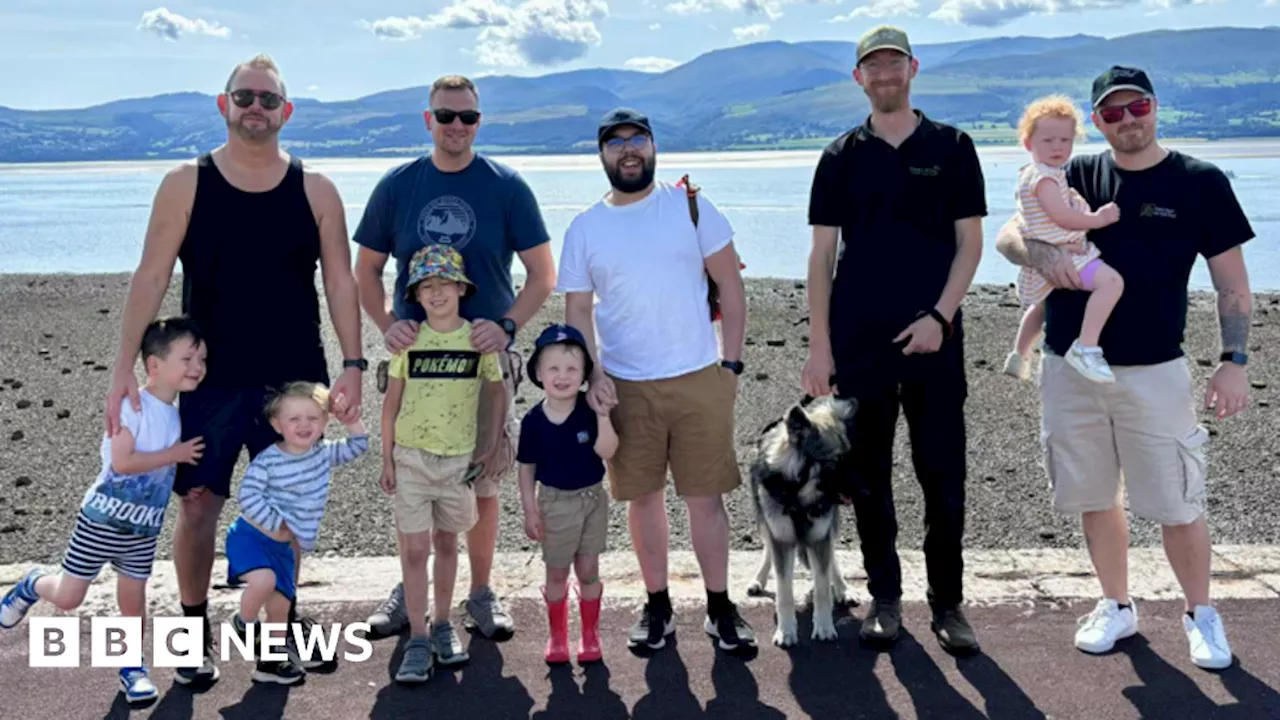
Edwards took initiative by forming a support group named “How’s Dad?” in February 2024, after a fruitless search for existing resources. He reached out on social media, and a small group of dads joined him for a walk. This initiative has since evolved into a supportive community where fathers can share their experiences and seek help.
Mark Williams, who experienced similar challenges after the birth of his son, Ethan, understands the pressures fathers face. Reflecting on his own journey, he recalled the overwhelming feelings of panic and isolation that accompanied his transition to fatherhood. “I couldn’t process the birth trauma and was overwhelmed by the transition to fatherhood,” he said. Williams struggled for months, unable to work while he supported both his partner and their newborn.
After years of grappling with his mental health, Williams was eventually diagnosed with depression and anxiety, which he believes were exacerbated by his experiences as a new father. He now advocates for mental health awareness through his charity work with Mental Health Matters Wales and his campaign, Fathers Reaching Out. “There’s a big myth that men don’t talk. They will talk if you put them in a safe place,” he emphasized.
The need for greater support systems for fathers is echoed by Simon Jones, head of policy and campaigns at Mind Cymru. His organization found that 9% of men reported experiencing birth-related mental health conditions, with many suffering from post-traumatic stress disorder (PTSD) after childbirth. Jones stressed the importance of ensuring that mental health support is accessible both during pregnancy and after birth.
In response to these challenges, the Welsh government has acknowledged the unique vulnerabilities faced by new fathers. Their recently published strategies outline a commitment to enhancing understanding of these issues and providing compassionate, person-centred support for all parents, regardless of gender.
Both Edwards and Williams emphasize the importance of breaking the stigma surrounding men and mental health. Edwards remarked, “I was naive enough to dismiss it. I nearly lost my life because I thought this couldn’t happen to me. It’s essential to reach out and ask for help.”
As more fathers like Edwards and Williams share their stories, the hope is that their experiences will encourage others to seek support and foster a more open conversation about mental health in fatherhood.