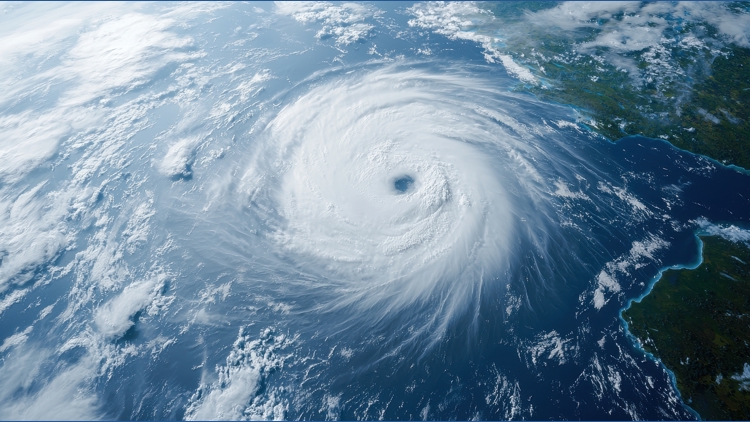
UPDATE: New reports confirm that hurricanes, while often devastating, play a critical role in maintaining Earth’s climate balance. As communities brace for the impact of upcoming storm systems, it’s vital to understand the dual nature of these powerful weather phenomena.
Hurricanes are notorious for causing destruction, with roofs torn off homes and families evacuated from flooded areas. However, experts emphasize that these storms are essential for regulating our planet’s heat and energy distribution. Without them, climate extremes could escalate, leading to severe droughts, floods, and unmanageable heatwaves.
According to meteorologist Mark Johnson from WKYC in Cleveland, hurricanes act as Earth’s atmospheric engines. They pull excess heat from tropical waters and transfer it toward colder regions, helping to stabilize global temperatures. This process is crucial in preventing the dangerous warming of the equator and the freezing of polar areas.
As hurricanes form, they utilize warm ocean water, which evaporates and rises into the atmosphere. This moist air cools, condenses, and releases vast amounts of heat into the atmosphere, dispersing it through global wind currents. Essentially, these storms function like the planet’s air conditioning system, venting excess heat and maintaining balance.
In addition to their climate-regulating properties, hurricanes can rejuvenate ecosystems that have suffered from drought. The intense rainfall brought by these storms can replenish rivers, lakes, and groundwater aquifers, providing vital resources for crops and wildlife. Coastal areas benefit as hurricanes reshape shorelines, promote water quality, and foster marine biodiversity by mixing oxygen and nutrients in the ocean.
While the immediate aftermath of hurricanes often includes tragic loss and destruction, nature demonstrates resilience. The nutrients left behind by floodwaters enhance soil fertility, encouraging new growth and a surge of biodiversity in affected areas. This intricate balance highlights how interconnected our planet is, with hurricanes serving a purpose beyond their destructive reputation.
As communities prepare for the realities of upcoming hurricane seasons, it is crucial to acknowledge the broader implications of these storms. Experts are working tirelessly to improve forecasting and strengthen infrastructure, but public awareness of hurricanes’ ecological benefits is equally important.
In conclusion, while hurricanes can wreak havoc on human life and property, they are a vital component of Earth’s climate system. Understanding their role can foster a more profound appreciation for the delicate balance of nature. As we face the challenges of climate change, recognizing the necessity of hurricanes may help us find ways to coexist with these powerful forces of nature.
Stay informed about local weather conditions and updates from trusted sources as we navigate through this hurricane season.