Sanofi has announced a significant acquisition of Dynavax Technologies for a reported $2.2 billion. This deal, finalized on Wednesday, aims to strengthen Sanofi’s vaccine portfolio and pipeline by integrating Dynavax’s assets, which could provide a competitive edge against rival company GSK.
Under the terms of the agreement, Sanofi will pay $15.50 in cash for each share of Dynavax, reflecting a 39% premium over the stock’s closing price on Tuesday. Dynavax, based in Emeryville, California, has been publicly traded since 2004, initially pricing its shares at $7.50.
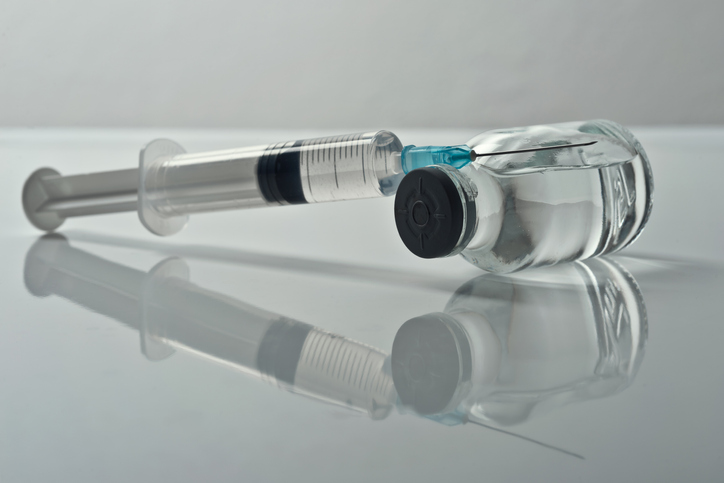
One of Dynavax’s key products is Heplisav B, a hepatitis B vaccine approved for adults in both the United States and Europe. This vaccine requires two intramuscular injections spaced one month apart. In comparison, GSK offers Engerix-B and Twinrix, which require three shots over a six-month period. Dynavax claims its vaccine allows patients to achieve higher levels of protective antibodies more rapidly while maintaining a similar safety profile.
In 2024, Dynavax reported sales of $268.4 million for Heplisav B, marking a 26% increase from the previous year. The company also indicated that its market share in hepatitis B vaccines climbed to 46%, up from 44% in 2024.
Strategic Implications of the Acquisition
Sanofi’s current involvement in the hepatitis B vaccine market primarily addresses pediatric needs. Its product, Vaxelis, developed in collaboration with Merck, protects against hepatitis B and five other diseases. Approved by the FDA in 2023, Vaxelis is administered in a three-shot series for children aged 6 weeks to 4 years.
With the acquisition of Dynavax, Sanofi expands its adult immunization offerings. The company’s executive vice president of vaccines, Thomas Triomphe, stated that Dynavax’s differentiated vaccines complement Sanofi’s existing expertise, enhancing options for comprehensive vaccine protection throughout an individual’s life.
Dynavax’s pipeline also includes the shingles vaccine candidate Z-1018. Preliminary data from an early-stage study indicated promising results when compared with GSK’s Shingrix, the leading shingles vaccine. Dynavax reported that its candidate was well tolerated, showing fewer local and systemic reactions, while eliciting strong immune responses across all tested doses. Further data is expected in the second half of 2026.
The acquisition occurs at a time when hepatitis B vaccines are facing increased regulatory scrutiny, particularly under the Trump administration. In December 2025, the Advisory Committee on Immunization Practices (ACIP) recommended a shared decision-making approach for hepatitis B vaccinations for children, a shift from its longstanding recommendation for immediate vaccination at birth.
Analyst Matt Phipps from William Blair noted that the acquisition aligns well with Dynavax’s strategic goals amid rising regulatory challenges. He highlighted that Sanofi, with its extensive vaccine capabilities, is a logical partner for Dynavax, particularly as the latter lacked adult hepatitis B and shingles programs.
Apart from the shingles vaccine, Dynavax is also developing a plague vaccine in collaboration with the U.S. Department of Defense, as well as clinical-stage programs targeting pandemic influenza and Lyme disease. Recently, Dynavax secured global rights to Vaxart’s oral Covid-19 vaccine candidate, currently undergoing mid-stage testing. The deal included an upfront payment of $25 million and a $5 million equity investment in Vaxart.
This acquisition marks Sanofi’s second major vaccine deal in 2023. Earlier in July, the company agreed to purchase Vicebio for $1.15 billion, a startup focused on a bivalent vaccine in early-stage development for respiratory syncytial virus (RSV) and human metapneumovirus (hMPV).
Sanofi plans to finance the Dynavax acquisition using available cash resources. The deal has received approval from Dynavax’s board of directors but still awaits acceptance from a majority of shareholders. The transaction is anticipated to close in the first quarter of 2026.