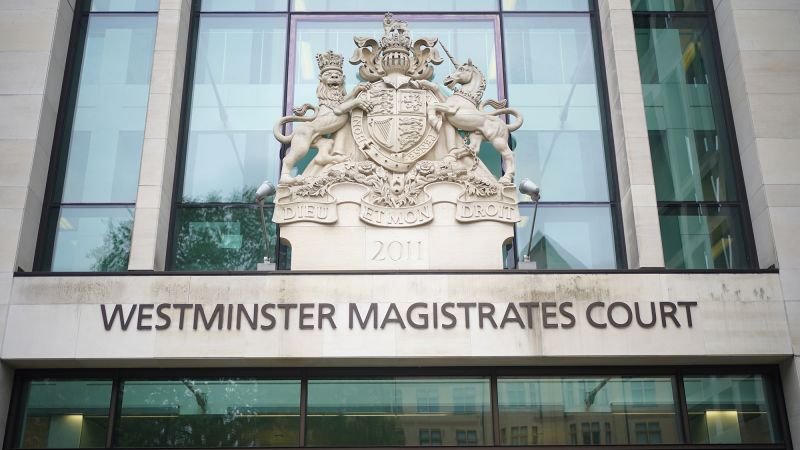
The United Kingdom is set to reform its justice system by removing jury trials for certain crimes, a move that has sparked significant debate about fairness and the preservation of legal rights. Announced by Justice Secretary David Lammy earlier this month, the changes aim to alleviate a staggering backlog of nearly 80,000 criminal cases currently awaiting resolution in the Crown Courts. Critics argue that this shift could undermine the long-standing right to a trial by jury, a fundamental principle enshrined in British law.
Under the proposed reforms, a new tier of jury-free courts will handle cases where defendants face potential sentences of up to three years. Offenses such as fraud, robbery, and drug crimes, which previously fell under the jurisdiction of Crown Courts, will now be processed without juries. However, serious charges like murder, sexual assault, and human trafficking will still require jury trials. These reforms will not apply to Scotland or Northern Ireland, which operate under separate legal systems, nor will they affect less severe offenses already tried without juries.
The current crisis in the UK justice system is underscored by a report from the Victims’ Commissioner, which highlights the impact of the backlog on victims. A significant portion of the waiting cases includes sexual offenses, with approximately 13,238 incidents pending. Victims have reported waiting up to three or four years for their cases to be heard. One victim recounted her experience of psychological trauma due to the delays, stating, “The police told me that the CPS were unlikely to prosecute… because of the court backlog.” Another victim of stalking described the prolonged anxiety of living in fear as her case was continually postponed.
In defense of the reforms, Sarah Sackman, Minister of State for Courts and Legal Services, emphasized the urgent need for change. During a session in the House of Commons on December 8, she remarked, “Justice delayed is justice denied,” acknowledging the prolonged wait times faced by victims.
The backlog has been exacerbated by delays stemming from the COVID-19 pandemic. Lachlan Stewart, a criminal barrister in Birmingham, noted that the justice system was already under strain prior to the pandemic and has struggled to recover. He stated, “You have this system that didn’t really have any slack in it, that has then not really been able to recover.”
Despite the government’s rationale, the proposed reforms have drawn criticism from across the political spectrum. Conservative MP and Shadow Justice Minister Robert Jenrick labeled the initiative a “disgrace,” asserting it undermines an “ancient right.” The right to a jury trial dates back to the Magna Carta of the 13th century, a cornerstone of the modern legal framework in the UK. A YouGov poll conducted in November 2025 indicated that 54% of the public prefer jury trials for criminal accusations, reflecting widespread support for this traditional legal right.
Prominent figures, such as Helena Kennedy KC, have voiced concerns regarding the reforms. Kennedy suggested that the push to limit jury trials stems from a belief among some politicians that “ordinary folk are not up to it.” She emphasized that jury service is a vital duty in a democratic society and criticized the notion that jury trials are less effective.
While some advocates call for reforms to address the backlog, others argue that the solution lies in increasing funding for the justice system. Recently, 39 Labour Party backbenchers urged Prime Minister Keir Starmer to reconsider the proposed changes, suggesting that enhancing the number of court sitting days would be a more effective strategy. They pointed out that around 130,000 sitting days are currently available to the courts, yet restrictions limit this number by 20,000 annually.
A key argument against the proposed reforms is the role juries play in promoting fairness and diversity in the legal process. A 2017 independent review, led by Lammy, found significant evidence of racial bias within the criminal justice system. It concluded that jury trials tend to yield fairer outcomes, acting as a safeguard against prejudice. Stewart highlighted the diversity represented by juries, stating, “With the jury system, you are tried by your peers… different ethnicities, different ages, different backgrounds.” In contrast, judges often come from a more homogenous demographic profile.
While there are calls for reform, some sexual assault charities argue for even more significant changes. Rape Crisis England & Wales (RCEW) has advocated for piloting juryless trials specifically for sexual offenses, citing the detrimental effects of delays on survivors. Their report titled “Living in Limbo” detailed how survivors face increasing waiting times and repeated postponements, often leading to emotional distress and withdrawal from the legal process altogether. One victim described her experience, stating, “It took too long. It ruined my life and I thought I’d lose my family if I carried on with the case.”
As the UK government moves forward with these reforms, the balance between efficiency and the preservation of fundamental legal rights remains a contentious issue. The potential impact on victims, the public perception of justice, and the overall integrity of the legal system will likely shape ongoing discussions in the coming months.