UPDATE: Organized crime is reshaping political landscapes in Latin America, with a surge in violence and illicit activities paving the way for right-wing governments in 2025. A shocking report from the Global Initiative Against Transnational Organized Crime reveals that 39 organized crime groups are now operating across the region, connecting and escalating their operations in unprecedented ways.
The report highlights a grim reality: criminal organizations have diversified beyond drug trafficking to include extortion, human trafficking, and arms smuggling. Organized crime expert Hugo Contreras states, “Organized groups stopped being just traffickers and adopted a portfolio of activities.” This shift has fueled territorial disputes and an alarming rise in violence, leading to new migration flows and political instability.
As violence spirals, countries like Mexico, Ecuador, Brazil, and Haiti have emerged among the world’s most dangerous. The Armed Conflict Location and Event Data Project (ACLED) ranks these nations among the top ten based on mortality rates and armed group activity. In Mexico, an internal war within the notorious Sinaloa cartel has surged since the arrest of leader Ismael “El Mayo” Zambada in July 2024, exacerbating violence levels.
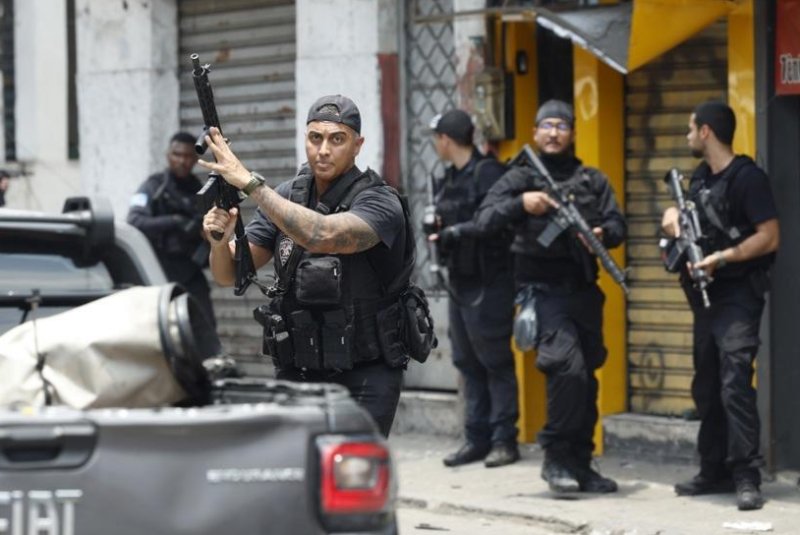
In Ecuador, gang-related violence is projected to reach record highs in 2025, with more than 3,600 deaths reported due to escalating conflicts. Meanwhile, in Haiti, gangs are exploiting political instability, expanding their reach from the capital to other regions, while in Brazil, violent turf wars in cities like Rio de Janeiro have resulted in significant clashes, including a recent police operation that left 121 dead.
This rise in organized crime has significantly influenced political climates, contributing to the election of right-wing governments across at least 10 countries in the region. As Pablo Carvacho of the Center for Justice and Society warns, these conservative platforms emphasize public order through military force and tougher penalties, often resorting to emergency measures that may not adequately address the root causes of crime.
Contreras stresses that governments must adapt their strategies. “This forces governments to move beyond traditional crime-control strategies,” he explains. The report suggests that comprehensive responses are imperative, including financial intelligence, improved border security, and international cooperation.
The situation’s urgency cannot be understated. As criminal organizations continue to expand their networks, targeting their financial assets and reducing the vulnerability of communities is crucial. “Everything else is treating the symptoms of a disease,” Carvacho states, emphasizing the need for proactive measures to tackle the root socioeconomic issues that foster crime.
The implications of this ongoing crisis are profound. As migration patterns shift and violence escalates, the stability of entire nations hangs in the balance. The world watches closely as Latin America grapples with this complex challenge, where the future of governance and public safety may depend on decisive action against organized crime.
Stay tuned for more updates as this urgent situation develops.