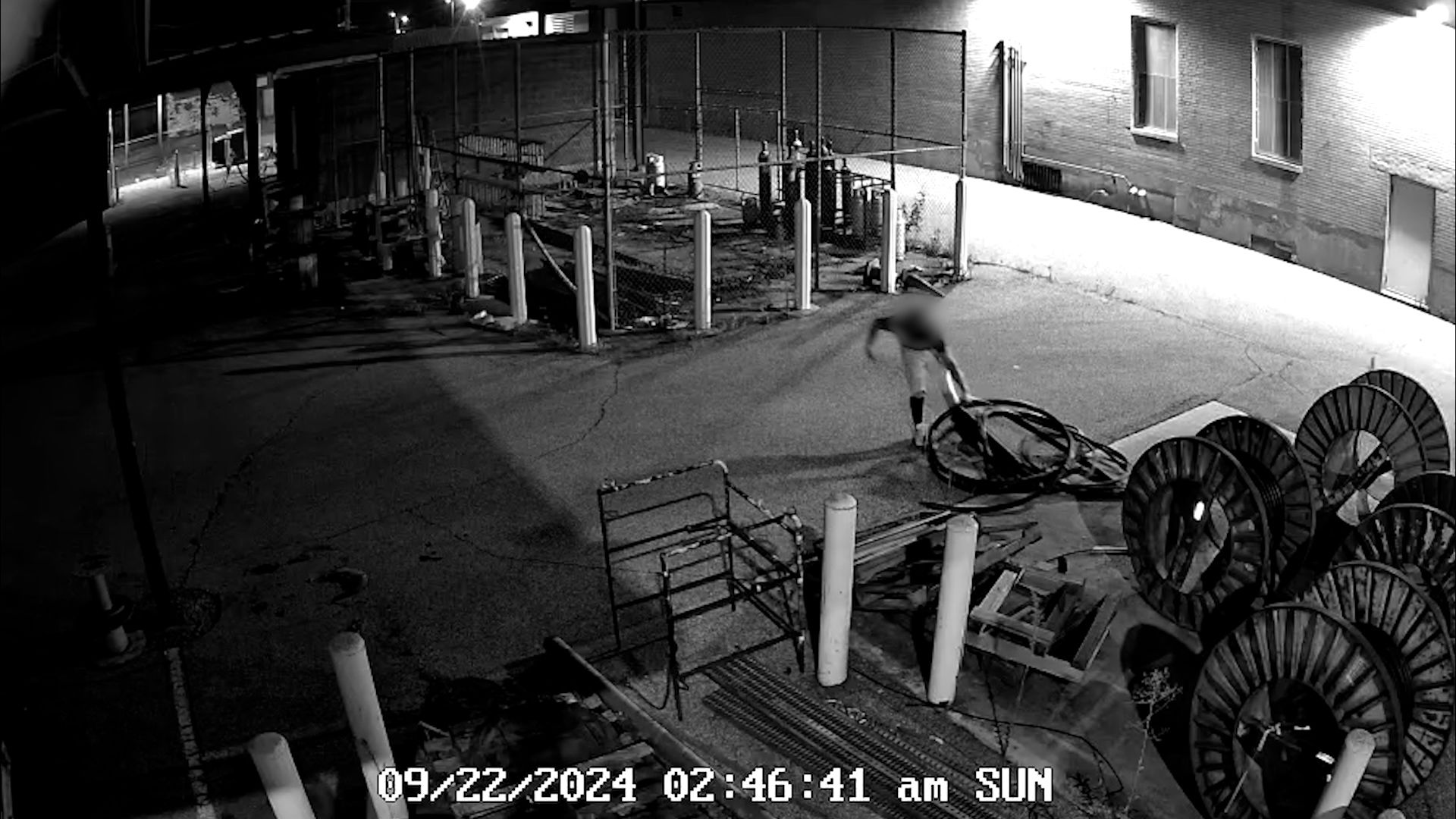
Copper wire, a critical component of America’s electrical infrastructure for over a century, is experiencing a significant surge in theft as prices reach unprecedented levels. Thieves are exploiting the escalating value of copper, engaging in brazen acts such as cutting telephone lines from car rooftops and prying open manholes during daylight hours. This alarming trend is causing widespread disruptions, from darkened roads to failed 911 calls, ultimately leading to increased utility costs for consumers.
According to data from JPMorgan, copper prices have soared more than 30% this year, attributed to a rise in data center construction and speculation surrounding potential tariffs by the previous administration. Los Angeles has emerged as a particularly vulnerable area, grappling with the aftermath of devastating wildfires and gearing up to host major events like the 2028 Olympics. The city faces mounting challenges in maintaining essential services as copper thefts escalate.
The NCTA, an industry trade group, reports that between June 2024 and June 2025, there were over 15,000 destructive incidents affecting domestic communication networks, driven largely by copper theft. This wave of crime has impacted more than 9.5 million customers, with California and Texas accounting for over half of the occurrences. An undercover detective from the Los Angeles Sheriff’s Department emphasized that these thefts occur daily, underscoring the severity of the issue.
Significant incidents highlight the extent of the problem. The newly constructed Sixth Street Bridge, a celebrated city landmark, has fallen victim to thieves who have stolen over 38,000 feet (approximately seven miles) of copper wire, inflicting damages amounting to $2.5 million. As the city works to rebuild infrastructure post-wildfires, construction sites are increasingly targeted by thieves eager to capitalize on valuable copper.
The detective explained that tracking stolen copper is challenging, as it often lacks distinct identification. While some telecom companies have begun using colored coating to mark their wires, city infrastructure remains less traceable. Repairing the damage caused by these thefts proves costly for the city, which is now exploring alternatives such as solar-powered streetlights that do not rely on copper wiring.
Los Angeles Mayor Karen Bass described copper wire theft as a severe threat to public safety, stating that dark streets and downed telecommunications wires expose communities to greater risks. In October, California Governor Gavin Newsom signed a bill aimed at increasing penalties for copper theft and targeting junk dealers and recyclers who purchase stolen copper. This legislation joins measures implemented by twelve other states in an effort to combat this growing issue.
AT&T is among the companies grappling with the repercussions of copper theft. In January, thieves infiltrated an AT&T facility in Exposition Park, removing hundreds of pounds of copper wire and disrupting service for numerous customers. In response, the company implemented immediate measures, including sealing access points with concrete and offering rewards of up to $20,000 for information leading to arrests.
As AT&T transitions to a more efficient fiber-optic network, the lingering presence of copper connections poses ongoing risks. The company has reported a dramatic increase in theft incidents, with 2,200 occurrences in California in 2024, a significant rise from just 71 in 2021. The financial impact is substantial, with AT&T spending over $60 million last year alone on addressing copper theft.
Andrea Moore, a director of construction and engineering at AT&T, frequently visits local recyclers to trace stolen wire. While some recyclers cooperate, others are less scrupulous, often ignoring the origins of the materials they purchase. California’s new law aims to hold these recyclers accountable, a step that AT&T executives believe is crucial in curbing the rampant theft.
The rising tide of copper theft presents a multifaceted challenge for both utility companies and local governments. The financial burden extends beyond immediate repair costs, affecting essential services and overall community safety. As authorities implement stricter regulations and companies adapt their strategies, the hope is to reduce the frequency and impact of these crimes.