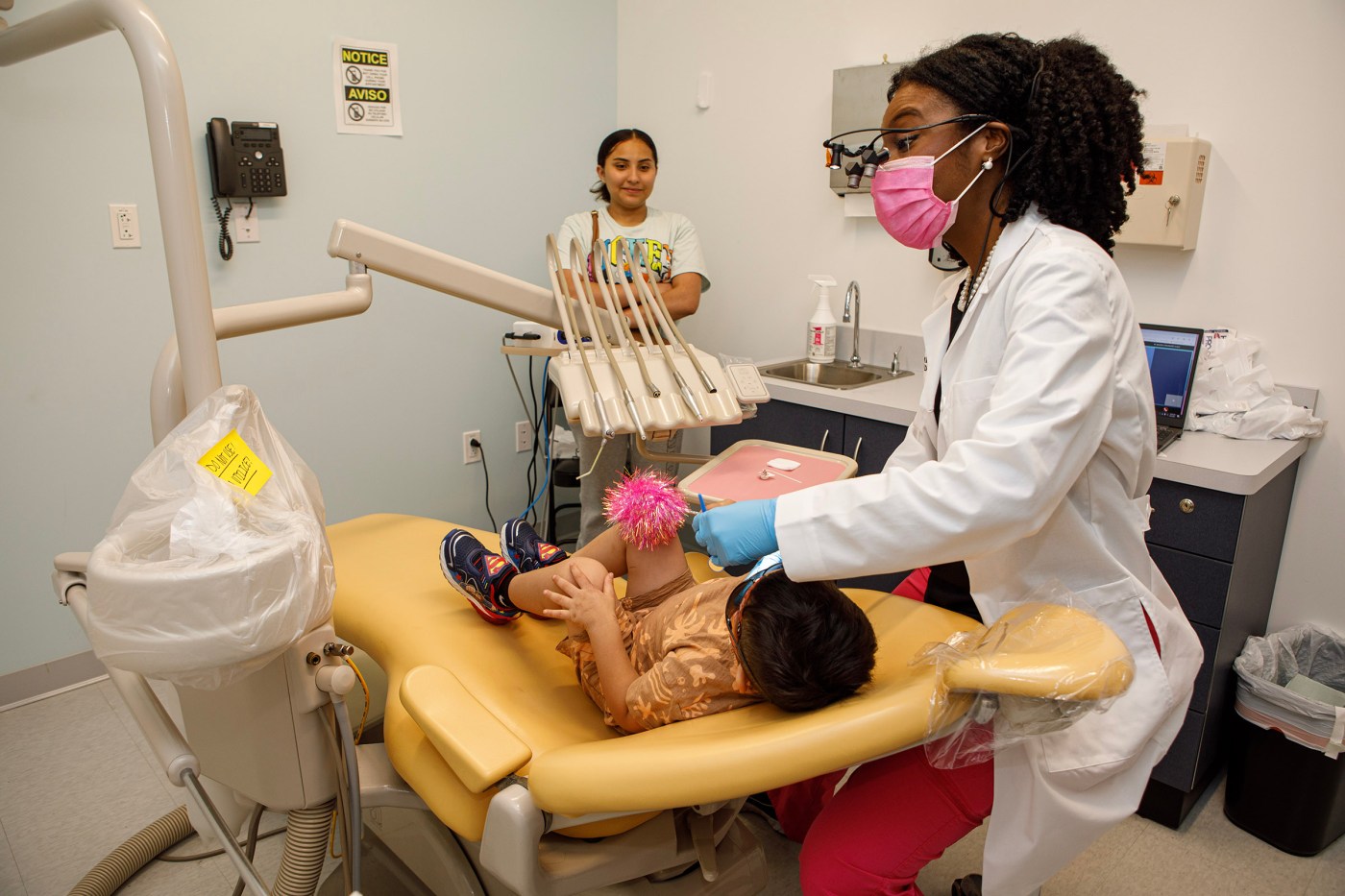
Three Federally Qualified Health Centers (FQHCs) in the Lehigh Valley are playing a crucial role in enhancing healthcare access and quality for local residents. These organizations—Valley Health Partners Community Health Center, Neighborhood Health Centers of the Lehigh Valley, and Star Community Health—collectively serve tens of thousands of people, providing affordable and comprehensive primary care regardless of insurance status or financial capability.
FQHCs are designed to offer a broad spectrum of services, including primary and preventive care, behavioral health, and dental services, all while focusing on community needs. Their governance structure mandates that at least half of the board members be patients, ensuring that care remains patient-centered and responsive to local requirements. Research indicates that these centers reduce avoidable emergency room visits, improve management of chronic diseases, and ultimately lower healthcare costs.
Valley Health Partners operates in some of Allentown’s most underserved areas and has recently expanded services to Easton and the Poconos. The organization emphasizes compassion and accessibility through a network of family health centers, pediatric services, and community wellness programs. For instance, its school-based clinics allow students to receive preventive care without disrupting their education, which in turn aids in reducing chronic absenteeism.
The integration of Valley Health Partners with the Lehigh Valley Health Network enhances continuity of care for patients transitioning from hospital to home. This coordinated approach is particularly vital for uninsured or low-income patients, as it helps to prevent complications and unnecessary readmissions.
In addition, the Neighborhood Health Centers of the Lehigh Valley operates clinics across Allentown, Bethlehem, and Easton. This center takes a team-based approach to healthcare, with professionals working collaboratively to address not just medical needs, but also social determinants such as housing stability and food security. Their partnerships with schools and local organizations further extend the reach of healthcare services, creating a true “medical home” for patients facing multiple challenges.
Another significant contributor to the healthcare landscape is Star Community Health, affiliated with St. Luke’s University Health Network. This center offers a variety of services, including family medicine, dental care, and OB/GYN services. Its mobile units bring essential healthcare directly to communities, ensuring that children and families receive preventive services that might otherwise be unavailable.
Collectively, these three FQHCs fulfill a vital function by providing accessible healthcare services that are culturally sensitive and community-focused. They help to alleviate the pressures on emergency services and improve overall health outcomes, particularly for vulnerable populations.
As healthcare costs continue to escalate and workforce shortages become more pronounced, the importance of these FQHCs grows. They should be recognized not merely as safety-net providers but as strategic assets that deliver high-value healthcare. The collaborative efforts of Valley Health Partners, Neighborhood Health Centers of the Lehigh Valley, and Star Community Health exemplify how local organizations can effect positive change in healthcare delivery.
In a system often perceived as impersonal, the FQHCs in the Lehigh Valley demonstrate that quality care, rooted in community engagement, can indeed be both accessible and affordable. Their ongoing commitment to addressing the unique health needs of residents positions them as integral components of the region’s healthcare future.