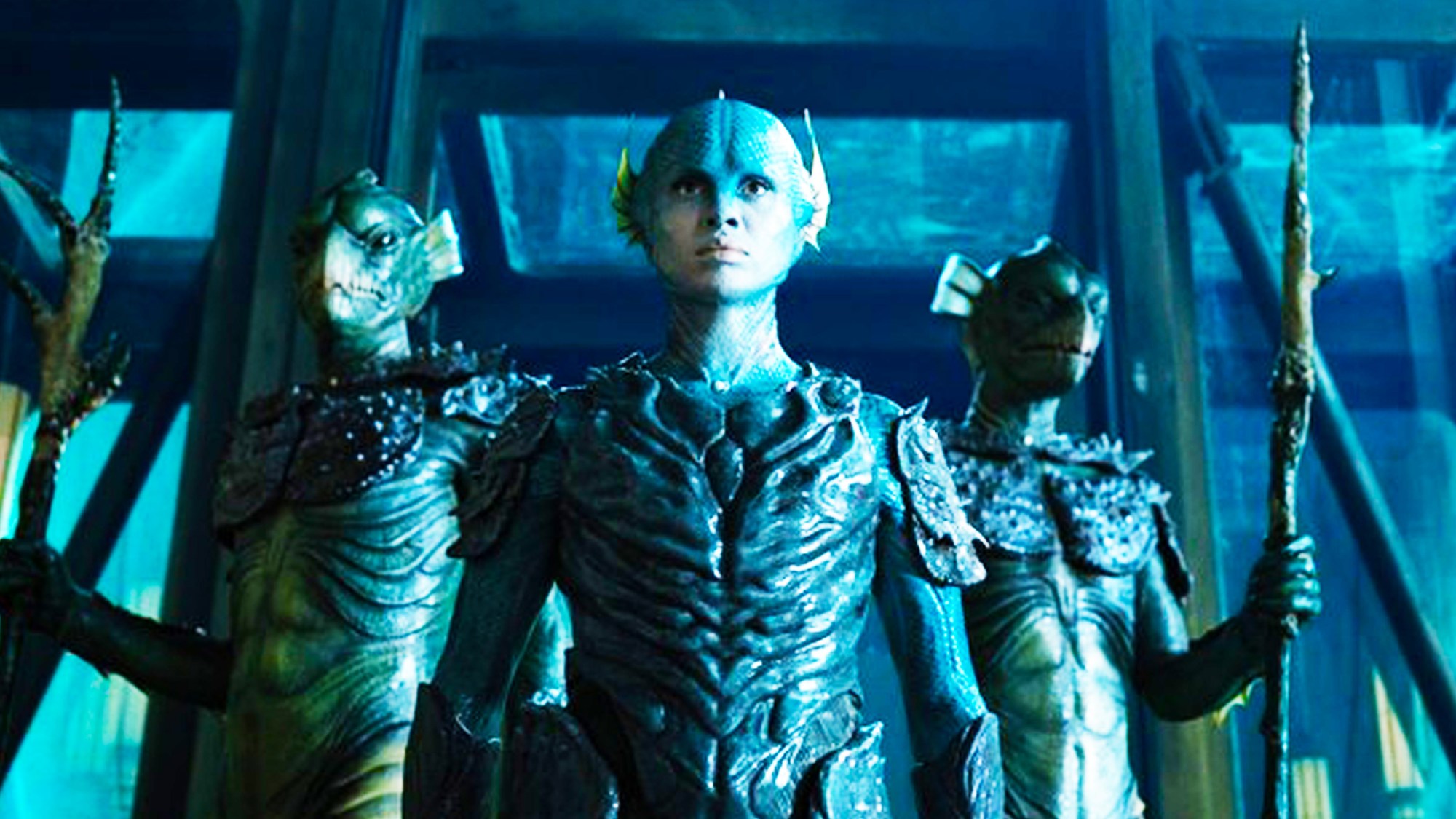
The latest Doctor Who spinoff, The War Between the Land and the Sea, has garnered significant acclaim, reviving interest in the franchise with a strategic release format reminiscent of past successes. Under the guidance of showrunner Russell T. Davies, this miniseries features five tightly packed episodes, echoing the successful approach of the 2009 series, Torchwood: Children of Earth. As the BBC navigates recent criticisms of the main Doctor Who series, this spinoff appears to be a timely remedy.
The storyline revolves around the conflict between humanity and the classic monsters known as the Sea Devils. In this miniseries, the character Barclay, portrayed by Russell Tovey, is thrust into the role of humanity’s ambassador during tense negotiations with Homo Aqua. The narrative quickly escalates as Barclay joins forces with Salt, the Sea Devils’ ambassador, played by Gugu Mbatha-Raw.
Why Five-Episode Formats Work for Doctor Who
The effectiveness of five-episode miniseries formats for Doctor Who spinoffs stems from their ability to maintain a brisk pace and high energy. Torchwood: Children of Earth set a precedent in 2009, focusing on a singular, harrowing global event rather than episodic adventures. The plot featured an alien race demanding a significant portion of Earth’s children, creating a narrative filled with tension and emotional weight. This concise structure allowed for an engaging experience that resonated with audiences.
Critics have noted that longer series, such as Torchwood: Miracle Day, which aired in 2011, risk losing momentum. By contrast, the compact nature of five episodes allows for streamlined storytelling and character development. This method cuts unnecessary content, ensuring that every moment contributes to the overall narrative.
As Russell T. Davies continues to shape the Doctor Who universe, the positive response to The War Between the Land and the Sea suggests that fans appreciate this approach. The focus on a singular, intense storyline not only keeps viewers engaged but also enhances production efficiency.
Looking Ahead: Future Spinoffs and Audience Engagement
With the resurgence of interest in Doctor Who, there are growing calls for additional spinoffs. The success of the latest miniseries may encourage the BBC to explore more five-episode formats. This could reinvigorate the franchise and help restore Doctor Who’s reputation, which has faced scrutiny in recent years.
As fans reflect on the series’ evolution, the feedback surrounding the recent spinoffs highlights a desire for tighter, more impactful storytelling. The commitment to a five-episode structure could be a roadmap for future productions, ensuring that each installment is met with anticipation and enthusiasm.
In summary, the recent successes of Doctor Who spinoffs demonstrate the potential of strategic release formats. By focusing on shorter, high-stakes narratives, the franchise can harness its creative strengths while delivering engaging content that resonates with audiences worldwide.