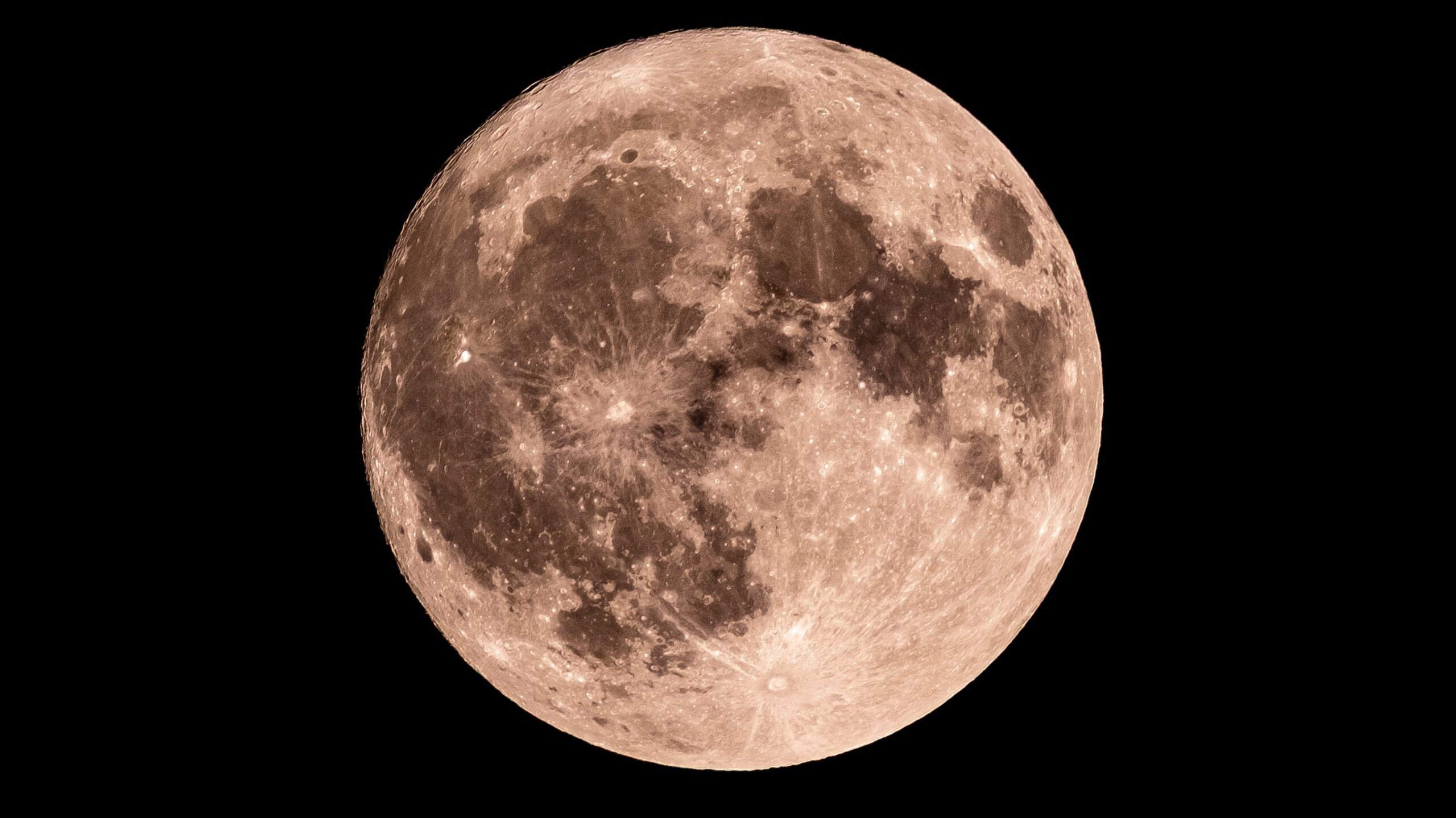
The Moon is re-emerging in the night sky as we enter a new lunar cycle. On December 21, observers in the Northern Hemisphere can expect to see a Waxing Crescent phase, where only 2% of the Moon will be illuminated. This limited visibility means that details on the surface will remain obscured for tonight’s viewing.
Understanding the Lunar Cycle
According to NASA’s Daily Moon Observation, the Moon takes approximately 29.5 days to complete its full cycle around Earth. This cycle, known as the lunar cycle, includes a series of distinct phases that reflect varying amounts of sunlight hitting the lunar surface. As the Moon orbits, it remains in a fixed position relative to Earth, but the light we perceive changes, leading to its different appearances.
The lunar phases are categorized into eight main stages:
1. **New Moon**: The Moon is positioned between Earth and the Sun, rendering it invisible.
2. **Waxing Crescent**: A small sliver of light becomes visible on the right side.
3. **First Quarter**: Half of the Moon is illuminated on the right, creating a semi-circular shape.
4. **Waxing Gibbous**: More than half is lit, but it is not fully illuminated.
5. **Full Moon**: The entire face of the Moon is visible and bright.
6. **Waning Gibbous**: The illuminated portion begins to decrease from the right side.
7. **Third Quarter**: Another half-moon, but now the left side is lit.
8. **Waning Crescent**: A thin sliver of light appears on the left before it becomes invisible again.
For tonight, with the Moon in the Waxing Crescent phase, astronomy enthusiasts may need to wait for future evenings to see more illuminated features. The next full moon is scheduled for January 3, following the last full moon that occurred on December 4.
As the lunar cycle progresses, the Moon will continue to grow in brightness, offering clearer views in the nights leading up to the full moon. This cycle not only captivates skywatchers but also plays a significant role in various cultural and scientific contexts.
Whether for astronomical study or personal enjoyment, understanding these phases enhances the appreciation of our natural satellite’s journey through the night sky.