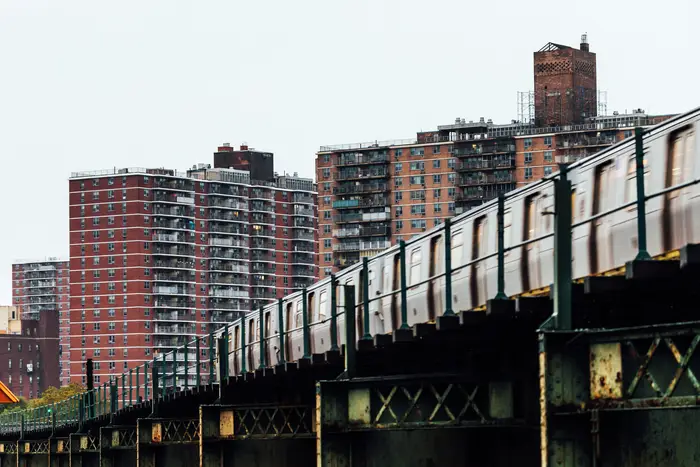
URGENT UPDATE: New York Governor Kathy Hochul has officially vetoed a controversial bill that would have mandated two-person crews on all New York City subway trains, a significant decision that has ignited a fierce response from transit advocates. The bill, championed by the Transit Workers Union (TWU) for decades, aimed to enhance safety by requiring both a driver and a conductor on every train.
In her veto announcement, Governor Hochul argued that subway trains can be operated safely by a single driver, citing the legislation’s potential cost of $10 million annually. She stated, “The bill would reduce service and limit the MTA’s ability to benefit from capital investments in modern rolling stock and signals.” This decision comes on the heels of a reported decline in subway crime, which is at its lowest level in 16 years, with overall crime down 5.2% from last year and 14.4% from 2019.
The TWU had long contended that two-person crews are essential for operational safety and worker support. The union has yet to respond publicly to the veto, but in September, TWU President John Samuelsen declared that two workers per train are not only a safety necessity but also a demand from the majority of New York City’s workforce.
The bill, which passed with overwhelming support from state lawmakers in June, would have required adding an extra crew member on trains that currently operate with a single operator. However, the existing MTA contract already includes two-person crews on many lines, meaning the legislation would have primarily extended this requirement to future lines.
Following the veto, Samuelsen criticized the governor’s decision, labeling it “classist” and warning that it could lead to backlash against Hochul during her upcoming re-election campaign.
In contrast, budget watchdogs have applauded Hochul’s decision. Andrew Rein, president of the Citizens Budget Commission, argued that maintaining a single worker per train aligns with global best practices, asserting, “The governor did the exact right thing vetoing this bill.” Rein emphasized that this approach not only saves taxpayer money but also ensures effective service.
As the debate continues, the implications of Hochul’s veto will likely resonate with transit workers and commuters alike. With the MTA already facing budget constraints, the rejection of this bill raises critical questions about safety, service quality, and the future of New York City’s transit system.
Stay tuned for ongoing updates as this situation develops and the ramifications of Hochul’s decision unfold.