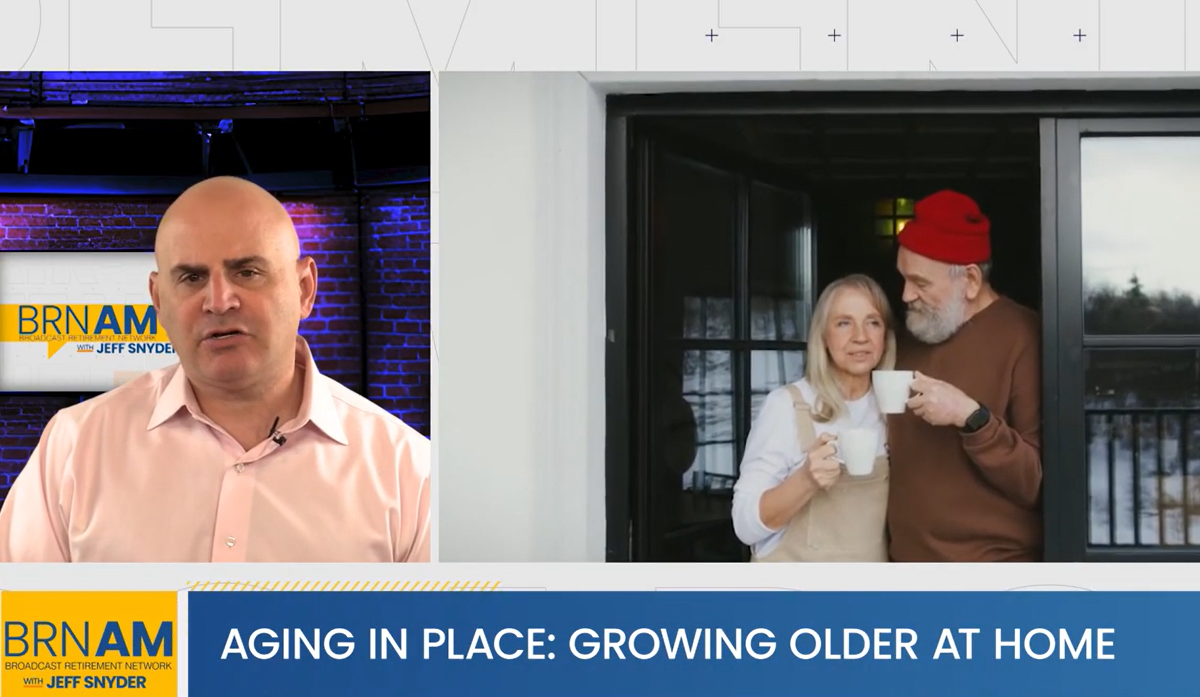
The concept of aging in place—where older adults choose to live in their homes as they age—continues to gain traction, according to a recent discussion featuring Dr. Erin Harrell from the National Institute on Aging. In an interview with Jeffrey Snyder from the Broadcast Retirement Network, Dr. Harrell emphasized the importance of fostering independence among seniors and ensuring that they have the necessary resources to support this lifestyle choice.
The Increasing Popularity of Aging in Place
Aging in place is becoming increasingly popular among older generations. Dr. Harrell noted that as individuals grow older, their desire to remain in familiar surroundings and maintain their independence intensifies. “They want to know that friends and family are there if needed, but ideally, they want to be able to age in place and live independently as long as possible,” she explained.
The trend reflects a shift in attitudes towards aging, where many seniors prefer to stay in their own homes rather than moving to assisted living facilities. This preference highlights the need for communities and families to prepare for the logistical and healthcare challenges that may arise as individuals age.
Preparation and Resources for Aging at Home
Addressing the question of whether individuals are currently equipped to age in place, Dr. Harrell pointed out that early planning and conversation are crucial. “We hope more people start having these conversations early, before they need to make adjustments in their homes,” she stated. Engaging in discussions with family and friends can help create a supportive network that facilitates safe aging at home.
Dr. Harrell also mentioned the importance of practical preparations, such as installing handrails and ensuring smoke detectors are functional. “Simple modifications can significantly improve safety and reduce the risk of falls,” she added. Additionally, as technology advances, smart appliances that provide alerts for potentially hazardous situations, such as leaving the stove on, are becoming more accessible.
Transportation and access to healthcare services are vital aspects of aging in place. Dr. Harrell encouraged individuals to explore delivery options for medications and other supplies, even if they are currently able to drive. “Finding out about services available in your area is key to planning for the future,” she advised.
Moreover, she highlighted the value of community resources, including local agencies and nonprofit organizations, which can offer support for various needs, from meal delivery to transportation to medical appointments. “Investigating local services can empower older adults to maintain their independence,” Dr. Harrell noted.
Educational Resources and Ongoing Research
Dr. Harrell also discussed the Caregiver’s Handbook, a comprehensive resource offered by the National Institute on Aging. Available in both digital and print formats, the handbook provides essential information for caregivers and those planning for aging in place. “It’s important to have resources accessible in multiple formats to suit different preferences,” she explained.
The National Institute on Aging, as part of the National Institutes of Health, conducts extensive research on aging-related issues, including studies on transportation and cognitive health. Dr. Harrell stated that understanding how environmental factors affect older adults’ ability to age in place is a significant focus of current research. “We’re looking at things like walkability and accessibility to ensure that older adults can navigate their communities safely,” she said.
As the global population continues to age, the discussions surrounding aging in place become increasingly vital. Dr. Harrell emphasized the importance of collaboration among researchers, local governments, and community organizations to improve the quality of life for seniors. “There’s a lot of planning going on, not just here in the United States but worldwide,” she concluded.
In summary, the growing trend of aging in place reflects a desire among seniors to maintain their independence and stay connected to their communities. With proper planning, resources, and support, individuals can successfully navigate the challenges that may arise as they age at home.