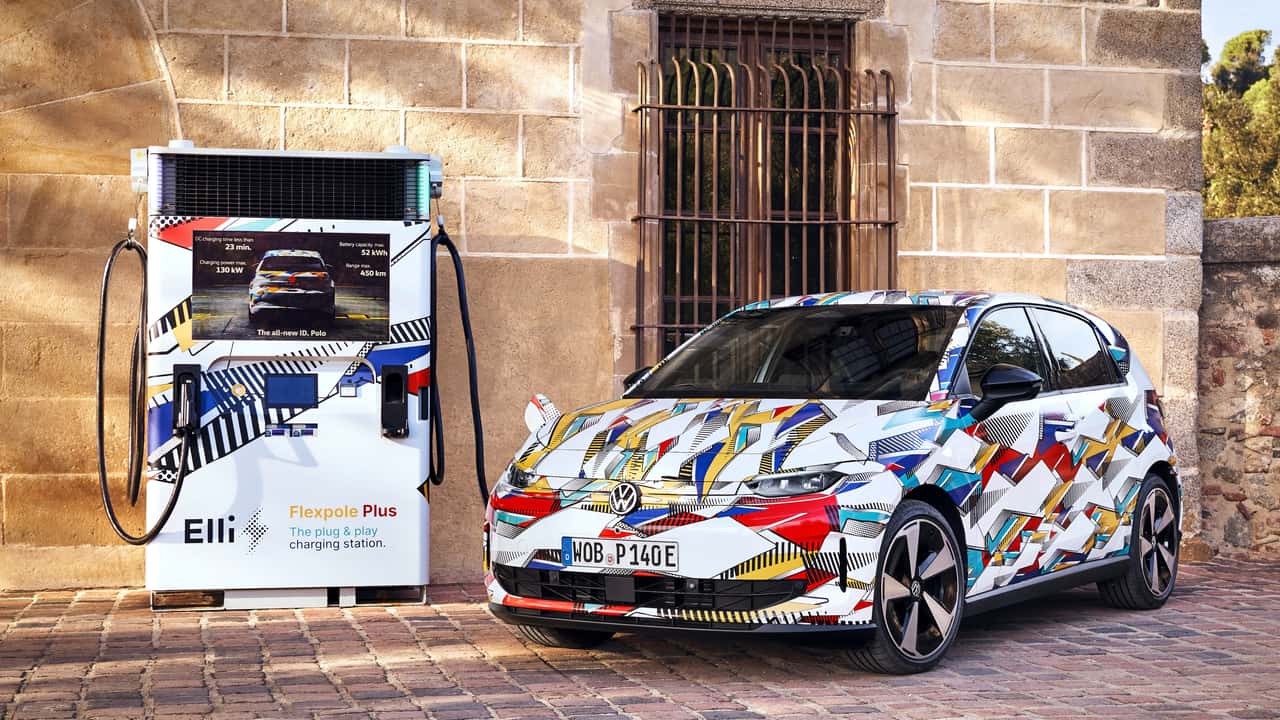
UPDATE: The European Union has just announced a groundbreaking initiative that could reshape the electric vehicle market. As part of its “Automotive Package,” the EU is introducing a new category for small electric vehicles known as “M1E,” allowing cars up to 4.2 meters (165.3 inches) in length. This development comes amid the EU’s evolving stance on fleet emissions targets, which may now permit combustion engines to continue beyond 2035.
This new regulatory framework is expected to provide automakers with significant advantages. Vehicles certified under the M1E class will receive super credits, counting as 1.3 towards CO2 emissions compliance, instead of the standard 1. This effectively grants manufacturers a 30 percent advantage in meeting emissions targets, encouraging the production of smaller, more affordable electric vehicles.
The EU’s decision to freeze requirements for this new class for the next 10 years aims to give automakers stability for long-term planning. This move will also simplify the legal framework for EU member states to incentivize small EVs through subsidies, tax breaks, and additional benefits such as road toll exemptions and preferential access to lanes or parking.
Leading manufacturers are already gearing up for this shift. Models like the Renault Twingo, Volkswagen Group’s ID. Polo, and Stellantis’s Citroën e-C3 meet the new standards, while others like the Hyundai Inster and Mini Cooper fall short due to their production locations outside the EU.
This initiative also indirectly supports the continued sale of combustion-engine vehicles. By earning super credits, automakers can offset emissions from their internal combustion engine (ICE) models, potentially allowing them to remain on the market longer as the EU eases its 2035 ban on new combustion-engine cars.
Overall, the EU has set a target to reduce CO2 emissions from vehicles by 90 percent by 2035 compared to 2021 levels, with the remaining 10 percent to be offset through vehicles running on e-fuels and biofuels, as well as low-carbon steel produced within the Union.
The latest data from the European Automobile Manufacturers’ Association (ACEA) indicates that 16.4 percent of new cars sold in the EU during the first ten months of the year were fully electric. Including Iceland, Liechtenstein, Norway, Switzerland, and the UK, that share rises to 18.3 percent, showcasing a significant trend toward electric mobility.
As the EU continues to navigate the complexities of emissions regulations, the introduction of the M1E category represents a critical step in promoting the adoption of small, affordable electric vehicles. This timely initiative is expected to drive innovation and job security within the European automotive sector while aligning with the urgent need for sustainable transportation solutions.
Stay tuned for more updates as the situation develops and manufacturers respond to these new regulations.