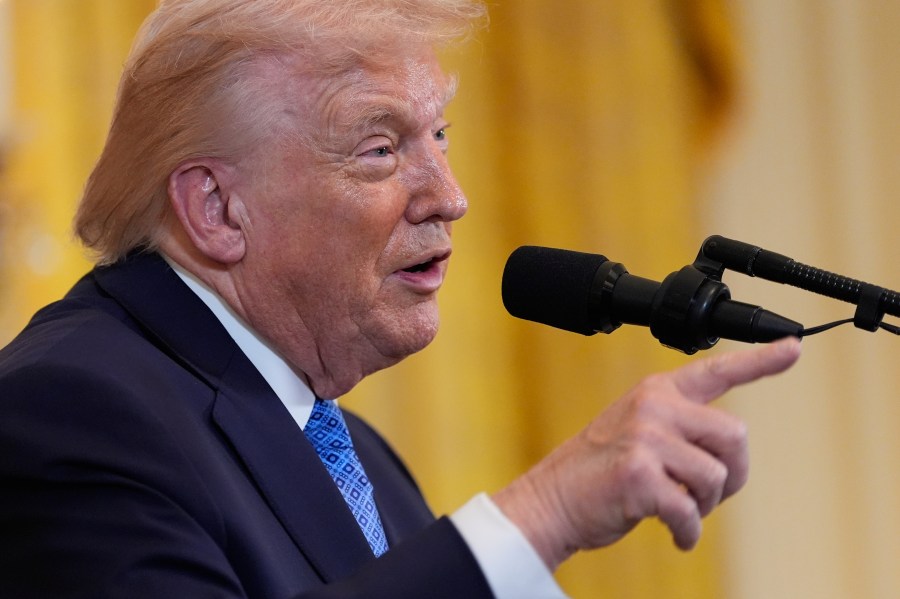
Former special counsel Jack Smith is scheduled for a private interview with House Republicans on Wednesday, October 25, 2023. This meeting follows the lawmakers’ decision to decline his offer to provide public testimony regarding his investigations into former President Donald Trump. The closed-door session is part of a broader inquiry led by the Republican-controlled House Judiciary Committee into the Justice Department’s criminal investigations related to Trump.
This forthcoming deposition reflects ongoing tensions between the legislative and executive branches, particularly concerning the accountability of government actions. The House Judiciary Committee has been scrutinizing the Justice Department’s handling of its investigations, which include matters related to Trump’s alleged interference in the electoral process and other potential legal violations.
The decision for a private interview instead of public testimony highlights the sensitive nature of the inquiries. Lawmakers are expected to explore various aspects of Smith’s investigations, including their implications for Trump and the potential impact on the political landscape ahead of future elections. Smith’s role as special counsel has been pivotal, especially given the high-profile nature of the cases he has overseen.
As the investigations continue to unfold, the implications for Trump and his associates remain significant. The House Judiciary Committee’s findings may influence public perception and political dynamics in the United States. Analysts are closely watching how Smith’s interactions with the committee may shape the ongoing discourse around Trump’s legal challenges.
The closed-door nature of the interview raises questions about transparency and accountability in Washington. While the Committee has the authority to conduct such inquiries, the absence of public testimony could limit the amount of information available to the public regarding the investigations into Trump.
In the coming days, the outcome of Smith’s meeting with House Republicans will likely draw attention from both political analysts and the general public. The implications of this interaction may extend beyond mere legal considerations, touching on broader themes of governance, oversight, and the rule of law. As the political climate remains charged, all eyes will be on developments stemming from this significant engagement.