In a novel approach to address the urgent need for kidney transplants, a pilot program in Pennsylvania is leveraging social networks to connect patients with living donors. The initiative, which began in May 2023, pairs patients with “angel advocates,” individuals who use their social media platforms to share the patients’ stories and seek potential donors.
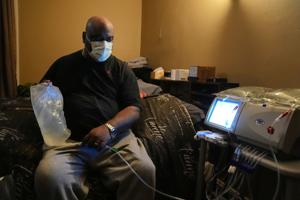
Fernando Moreno, a 50-year-old man from Vineland, New Jersey, has been on dialysis for nearly two years, waiting for a kidney transplant. His limited social connections left him reliant on the national waiting list until he became part of this innovative project, spearheaded by David Krissman, a filmmaker from Los Angeles. Moreno expressed his optimism, stating, “This process is great. I’m just hoping there will be somebody out there that’s willing to take a chance.”
Connecting Patients with Advocates
The program, dubbed the Great Social Experiment, aims to improve the odds for individuals like Moreno, who may not have robust support systems. With a grant exceeding $100,000 from the Gift of Life Donor Program, the initiative has enrolled 15 patients across three hospitals: Temple University Hospital, University of Pittsburgh Medical Center (UPMC) in Harrisburg, and Jefferson University Hospital in Philadelphia.
So far, early results are promising. According to Ryan Ihlenfeldt, director of clinical transplant services at Temple, two out of five patients from Temple have secured kidney donors, with one already preparing for surgery. Additionally, one patient from UPMC has successfully received a transplant. This new method of outreach is seen as pioneering by Richard Hasz Jr., chief executive of Gift of Life, who noted, “This is the first of its kind that I’m aware of.”
The program combines social media engagement with Krissman’s storytelling abilities, reaching a broader audience than traditional methods. Many patients awaiting transplants lack the energy or resources to advocate for themselves, which this initiative aims to rectify.
Potential for Broader Impact
Historically, approximately 90,000 people in the United States are on the kidney transplant waiting list, with only about 6,400 living kidney donations facilitated last year. Living donors provide a better match, reducing the likelihood of organ rejection, and their kidneys often last longer than those from deceased donors.
Krissman’s motivation to create this program stems from his own health struggles two decades ago. After recovering from a serious illness, he became passionate about increasing the number of living kidney donations. His previous initiatives have shown success, including a North Carolina pilot program that helped all three participating patients find living donors.
Participants like Becca Brown, director of transplant services at UPMC-Harrisburg, believe this program could revolutionize the search for donors. “There’s potential for this to really snowball,” she said, expressing eagerness to expand the initiative if it proves effective.
Among those involved in the project are individuals who have previously donated organs, like Francis Beaumier, a double living donor from Green Bay, Wisconsin, who views the program as a meaningful opportunity for community involvement. Another advocate, Holly Armstrong from South Carolina, also hopes to inspire others to consider donation, emphasizing the impact one person can have.
Research indicates that living donors face a lower risk of mortality than previously thought, with a study tracking three decades of data revealing fewer than 1 in 10,000 donors die within three months of the procedure. This information may further encourage potential donors to consider the life-saving impact of their decision.
At a recent event in Harrisburg, Krissman provided a platform for patients like Ahmad Collins, a 50-year-old city government worker who requires dialysis due to damaged kidneys. Collins expressed hope for finding a donor, stating, “They can be a superhero, so to speak. They can have the opportunity to save somebody’s life.”
As this pilot program continues to evolve, its success may pave the way for similar initiatives, potentially transforming the landscape of kidney transplants and offering new hope to countless patients in need.