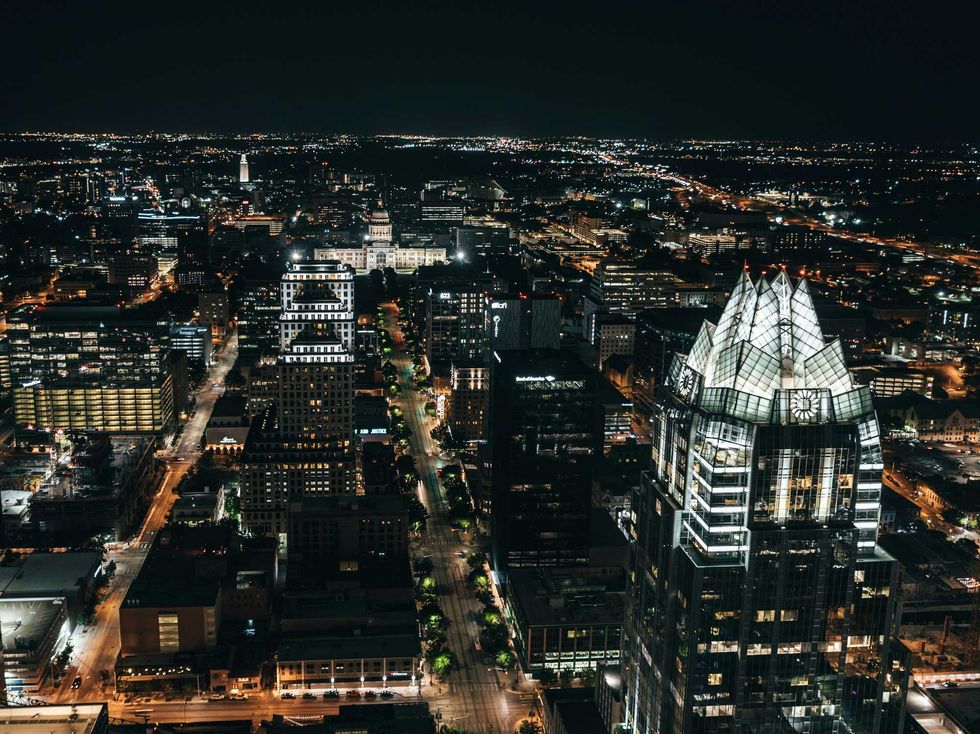
Austin, Texas has been recognized as the top city for startups in the United States, according to a recent report by CommercialCafe published on December 10, 2023. The report evaluates major U.S. cities, categorizing them into two groups: those with populations exceeding one million and those with populations between 500,000 and one million. The analysis includes critical factors such as office space costs, startup density, success rates of crowdfunding campaigns, and overall economic conditions that favor entrepreneurship.
The study highlights Austin’s significant advantages over other cities with populations between 500,000 and one million. Notably, the Texas capital leads in the proportion of startups within its local economy and demonstrates impressive growth rates from 2019 to 2023. According to the report, “Austin was the frontrunner for indicators that looked at the overall share of startups within the local economy, as well as growth rates in five years.”
Austin is home to approximately 12 percent of businesses that are classified as startups, operating for less than a year. These new enterprises have a survival rate of 67.5 percent, indicating that more than two-thirds are expected to remain operational for up to five years after their establishment.
The report also points to successful local ventures, such as the home finance company Homeward and Jasper AI, an AI-driven marketing platform co-founded by Chris Hull, a Forbes 30 Under 30 honoree. These examples underscore the city’s vibrant entrepreneurial landscape.
A key finding is Austin’s impressive 52.6 percent success rate for campaigns on Kickstarter, the well-known crowdfunding platform for creative projects. Since its launch in April 2009, over 6,000 campaigns have originated in Austin, with 3,187 achieving funding. The report attributes this success to the city’s high concentration of engineers and tech entrepreneurs, complemented by the annual South by Southwest (SXSW) festival, which serves as a launchpad for various innovative projects.
Freelancers also play a crucial role in Austin’s startup ecosystem. The city’s freelance workforce has expanded by 10.2 percent from 2019 to 2023, with 46,655 freelancers reported in 2023 compared to 42,322 in 2019. According to Fiverr’s annual Freelance Economic Impact Report, these freelancers generated nearly $4 billion in 2023, demonstrating their significant contribution to Austin’s economic growth.
Despite these advantages, startups in Austin face challenges, particularly with office space affordability. The report reveals that the average annual rent for a 1,000-square-foot workspace suitable for five employees is approximately $45,456. For those seeking flexible work arrangements, the cost of a coworking space for the same number of employees is around $14,100 annually.
Texas as a whole is recognized as a favorable environment for startups, with several of its cities listed prominently in the rankings. Alongside Austin, San Antonio ranks second, Dallas third, Fort Worth fourth, and Houston seventh among the best U.S. cities for starting a business with populations over one million.
The top ten cities for startups within the smaller population category are as follows:
1. Austin, Texas
2. Nashville, Tennessee
3. Indianapolis, Indiana
4. Tucson, Arizona
5. Mesa, Arizona
6. Charlotte, North Carolina
7. Fresno, California
8. Albuquerque, New Mexico
9. Las Vegas, Nevada
10. Louisville, Kentucky
The findings from CommercialCafe underscore the thriving entrepreneurial spirit in Austin and its status as a beacon for those looking to launch new ventures in the United States.