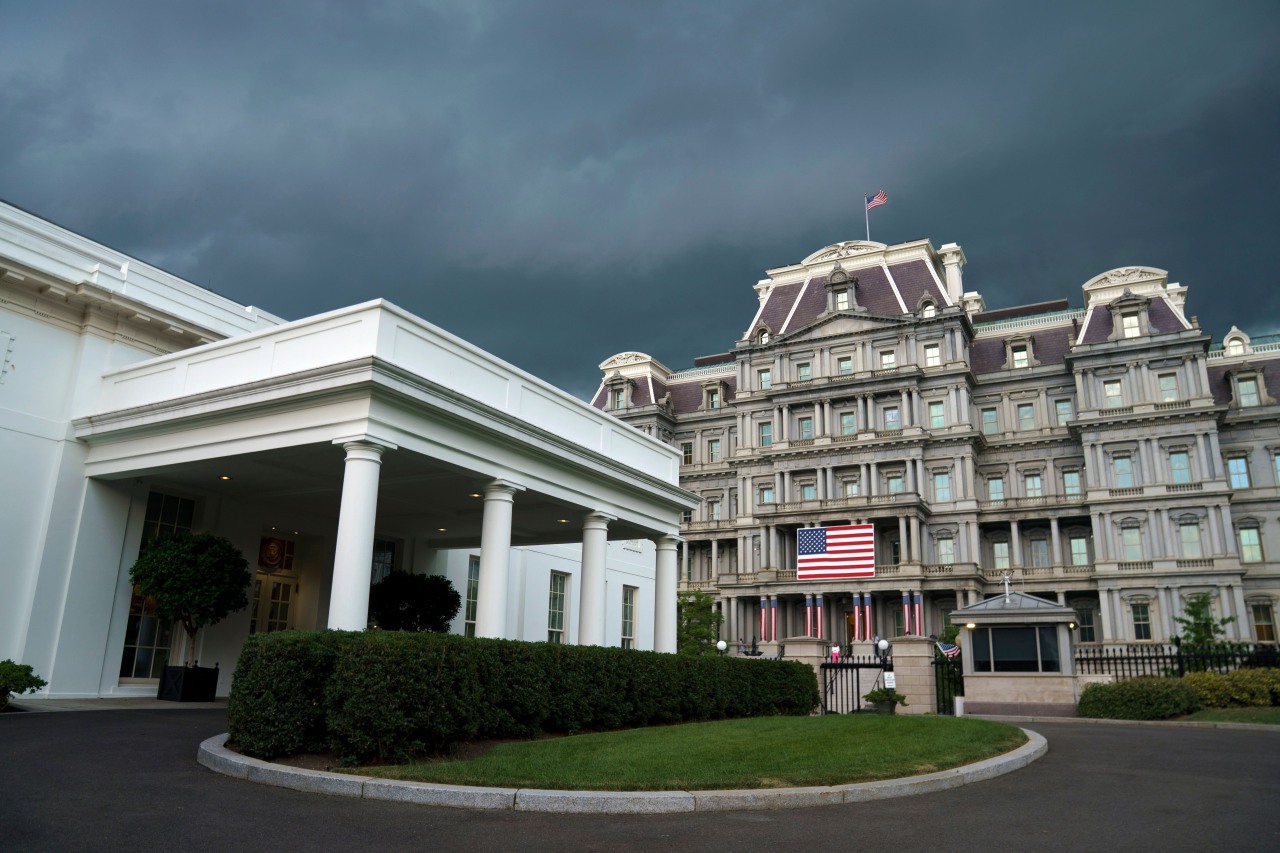
Former President Donald Trump is facing legal challenges from his neighbors due to his extensive renovation plans for the White House. Since moving back into the presidential residence, Trump has proposed significant changes, including painting a renowned federal building white and constructing a new ballroom. These plans have ignited a series of disputes with local residents who argue that the renovations could disrupt the historic character of the area.
Residents of the surrounding neighborhood are particularly concerned about the impact these changes will have on the architectural integrity of the White House grounds. The proposed renovations, while aimed at modernizing the space, have elicited strong reactions from community members. Many feel that the alterations could alter the historic ambiance of the area, which is known for its cultural significance.
One of the more contentious proposals includes painting a prominent federal building, a decision that has already drawn criticism from preservationists. They argue that such a change could diminish the building’s historical value and aesthetic. According to the National Trust for Historic Preservation, alterations to significant historical sites must be approached with caution to maintain their integrity.
In addition to the paint job, Trump’s plans for a new ballroom have also fueled tensions. This addition is seen by some as unnecessary and extravagant, especially in a location that holds deep historical significance. Local residents have mobilized to challenge these changes, with legal avenues being pursued to halt the renovations until an assessment of their impact can be conducted.
As the legal challenges mount, Trump’s administration is reportedly committed to moving forward with the renovation plans. Officials argue that the proposed changes will enhance the functionality of the White House for future state events and gatherings. They maintain that the renovations will respect the historical context while catering to modern needs.
The situation underscores a broader tension between the desire for modernization and the need to preserve historical landmarks. As the legal disputes unfold, both sides are preparing for what could be a protracted battle over the future appearance of the White House.
With Trump’s administration set on pursuing these renovations, the implications extend beyond the immediate changes proposed. The community’s reaction reflects a larger conversation about historical preservation and the challenges of modernizing iconic structures in a way that honors their legacy.
As of now, the outcome of these legal challenges remains uncertain. It highlights the importance of balancing progress with preservation, a theme that resonates in discussions around major renovations in historically significant areas. The legal proceedings are expected to draw significant attention as they progress, potentially setting a precedent for similar cases in the future.
In the coming weeks, the neighborhood and the Trump administration will likely continue to grapple with the implications of these renovation plans. The outcome may not only affect the White House itself but could also influence how other historical sites approach modernization in the years to come.