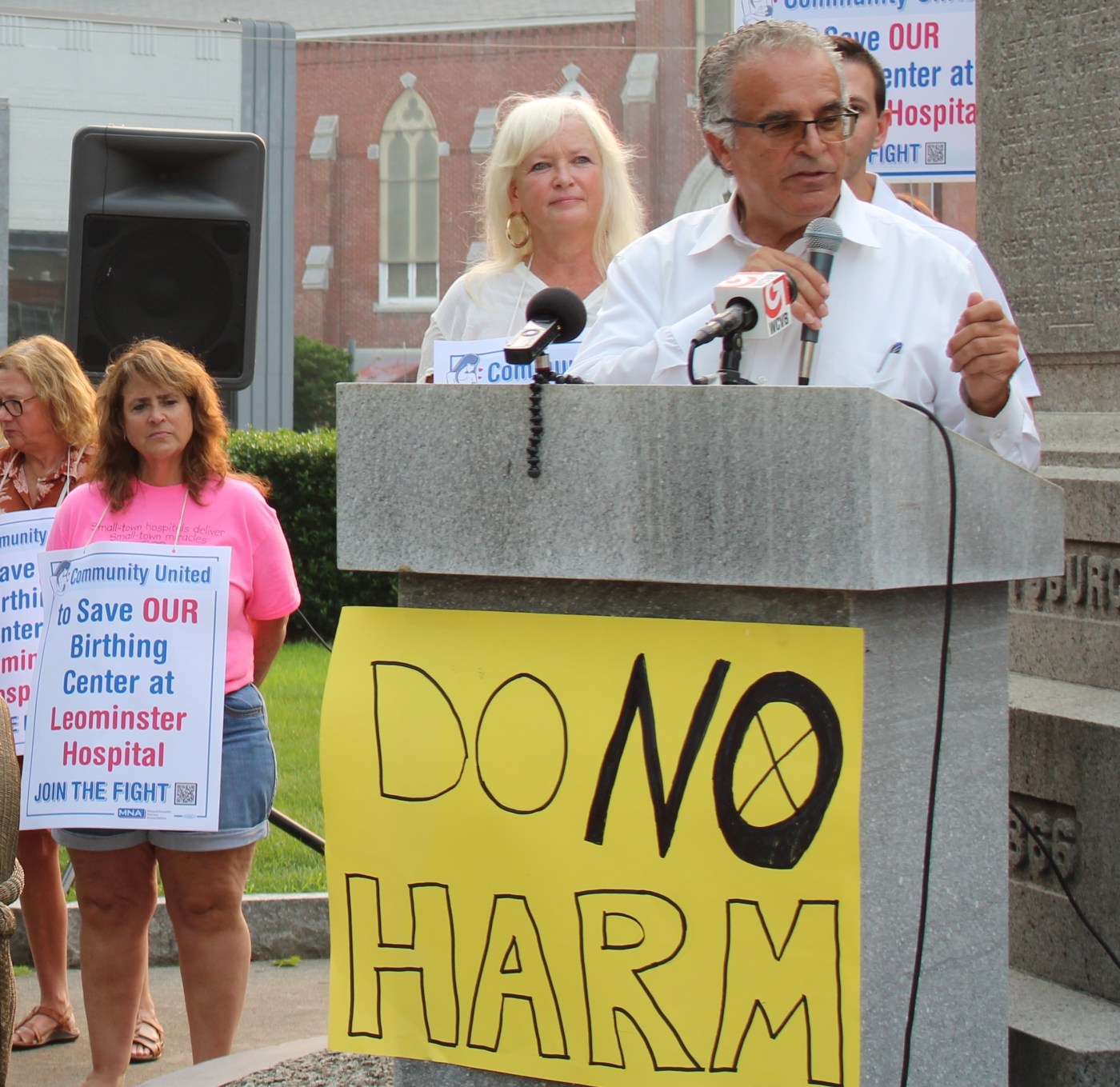
The recent closure of the maternity ward at UMass Memorial Health’s Leominster Hospital has intensified calls for greater authority for the Massachusetts Department of Public Health (DPH). This decision, announced in September 2023, underscores a significant gap in the ability of health oversight agencies to intervene effectively in such critical situations. Stakeholders argue that legislative changes are necessary to give the DPH the power to make the cessation of essential medical services a more challenging process.
The closure announcement came shortly after the Worcester legislative delegation and North Central Massachusetts lawmakers sought a delay, highlighting a lack of responsiveness from DPH and other state authorities. The situation has raised concerns about the effectiveness of existing health oversight bodies, particularly the Health Policy Commission (HPC), which operates under similar constraints. Although the HPC is tasked with monitoring health care costs, it can only make recommendations rather than enforce regulations. This limitation has led to a pattern of non-compliance with its cost-containment targets.
The HPC previously set a cost growth benchmark of 3.6% for the year 2026, despite total health care expenditures escalating by 8.6% from 2022 to 2023. In contrast, compensation costs for private industry workers in the Boston metro area increased by just 3.3% during the same period, indicating a stark discrepancy in cost management between the health care sector and other industries.
In a recent meeting, health care oversight officials reaffirmed their commitment to setting a cost-containment target, despite ongoing challenges. They urged policymakers and health care leaders to “recommit to the health care cost growth benchmark” for 2026. The HPC board voted to issue a new report reflecting the outcomes of a hearing held on December 11, which addressed rising affordability issues and access to care.
Critics have pointed out that the benchmark established in 2012 has not effectively controlled health care costs. Jon Hurst, President of the Retailers Association of Massachusetts, noted that the benchmark has not been followed for the past decade. The HPC’s latest cost trends report highlights four recurring themes for recommendations: administrative complexity, health care prices, pharmaceutical spending, and low-value care, which includes avoidable health care visits.
Lora Pellegrini, CEO of the Massachusetts Association of Health Plans, emphasized that the same factors driving health care expenditure growth have been identified for over a decade. She stated, “The troubling reality is that, year after year, these cost drivers have gone largely unaddressed.” This inaction has resulted in rising premiums that outpace wage growth, leading to increased patient barriers in accessing care.
The HPC has called for Massachusetts to take decisive action to significantly reduce the “administrative complexity” within the health care system. They recommend prioritizing changes that impede patient care and burden primary care providers. Additionally, the HPC has urged the state to address “excessive prices” for health care services, noting that other states have successfully moderated prices to sustainable rates.
In light of increasing prescription drug costs, the HPC has encouraged the state to consider recommendations from the new Office of Pharmaceutical Policy and Analysis. Furthermore, they propose that Massachusetts work towards minimizing “low-value care” and avoidable emergency department visits, emphasizing the need to expand access to behavioral health care and primary care services.
Pellegrini reiterated the urgency of the situation, stating, “The HPC has outlined a comprehensive and evidence-based roadmap, not once, but repeatedly. The time to act is now.” Yet, the reliance on recommendations without enforceable authority raises questions about the effectiveness of current health oversight mechanisms.
As Massachusetts grapples with rising health care costs and service closures, it is imperative for the DPH and HPC to be equipped with the necessary authority to implement their recommendations effectively. Without meaningful action and enforcement capabilities, the challenges facing the state’s health care system are likely to persist.