
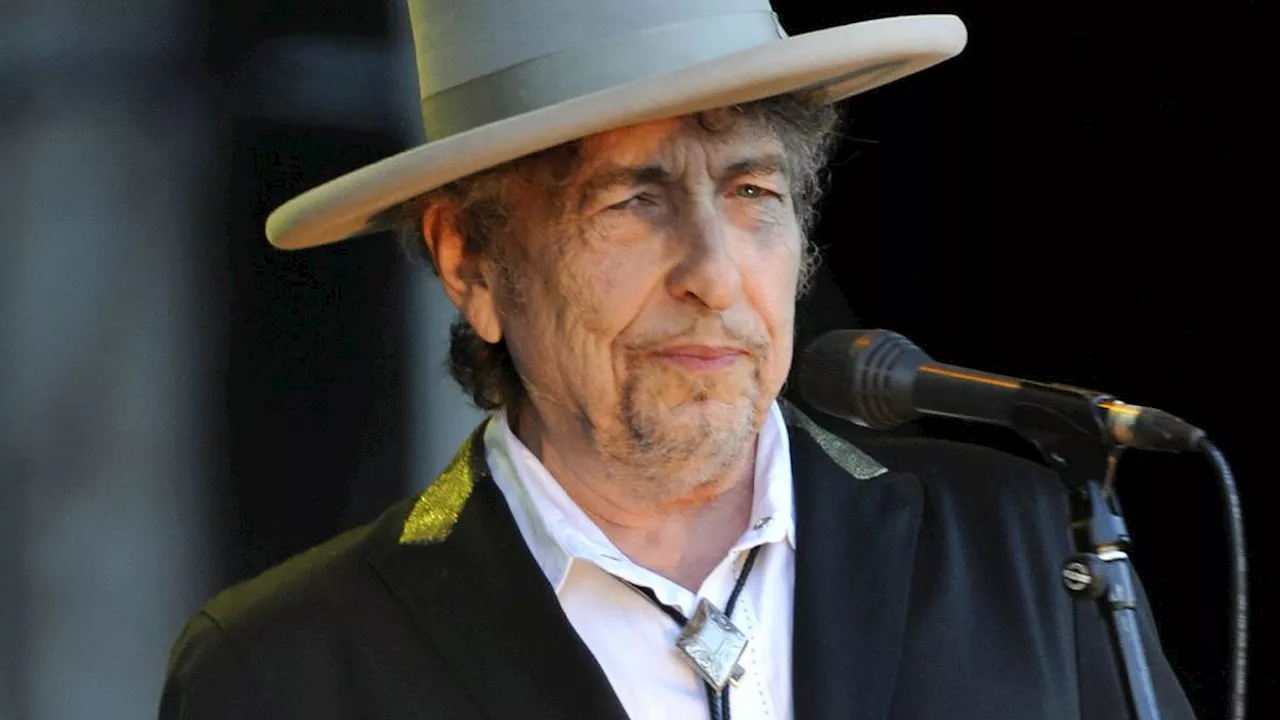
Bob Dylan’s latest release, “Murder Most Foul,” has made history by becoming his first song to reach No. 1 on the Billboard chart. Released on March 27, 2020, this 17-minute track offers a profound reflection on the assassination of President John F. Kennedy on November 22, 1963. The song not only examines the immediate impact of Kennedy’s death but also how it reverberated throughout American culture and society.
Dylan, who emerged from the folk scene in Greenwich Village, has long been a significant figure in music. While he often shied away from being labeled a protest singer, his iconic tracks like “The Times They Are a-Changin'” and “Blowin’ in the Wind” have made substantial contributions to the genre. “Murder Most Foul” marks his first original release since the album “Tempest” in 2012.
The song begins with a poignant focus on Kennedy’s assassination, then transitions into a broader commentary on the societal changes that followed. Dylan delves into the racial tensions of the era and the juxtaposition of pop culture against national tragedy. Notably, he references the phenomenon of Beatlemania, which peaked between 1963 and 1966, highlighting the cultural shifts occurring alongside the mourning of a nation.
Dylan’s rich tapestry of references is reminiscent of his earlier work. Similar to his 1989 song, “We Didn’t Start the Fire,” which includes 119 brief mentions of world events, “Murder Most Foul” is densely packed with allusions. Throughout the song, Dylan nods to a total of 74 songs, including Joni Mitchell‘s “Woodstock,” Billy Joel‘s “Only the Good Die Young,” and Ella Fitzgerald‘s “Cry Me a River.”
In addition to musical references, Dylan incorporates historical and cultural markers, such as Elm Street from the film “A Nightmare on Elm Street” and the infamous quote from Lee Harvey Oswald, “I’m just a patsy.” He also refers to “the Blood-Stained Banner,” a term associated with the final flag of the Confederacy.
Dylan enlisted the help of several talented musicians for “Murder Most Foul,” including singer-songwriter Fiona Apple and pianist Alan Pasqua. Apple, known for her hits like “Criminal,” initially hesitated to participate, feeling that she was underqualified. However, Dylan sought her unique artistry rather than perfection. Reflecting on the experience, Apple described working with Dylan as a significant confidence boost, especially as it preceded the release of her album “Fetch the Bolt Cutters,” her first in eight years.
Dylan’s connection to Kennedy has a long history. Just weeks after the president’s assassination, he received the Tom Paine Award from the Emergency Civil Liberties Union. In a speech during the award ceremony, he stirred controversy by suggesting he saw parts of himself in Oswald. His remarks were met with gasps and disapproval from the audience, highlighting the complexity of public perception surrounding his views.
In his 1972 biography by Anthony Scaduto, Dylan reflected on the emotional turmoil of performing shortly after Kennedy’s death. He described the experience as surreal, stating, “I had no understanding of anything. For me, it was just insane.”
Bob Dylan’s “Murder Most Foul” stands as a testament to the enduring impact of his artistry, merging personal reflection with national history. As the song continues to resonate with listeners, it reinforces Dylan’s legacy as a voice of his generation, and perhaps, beyond.


