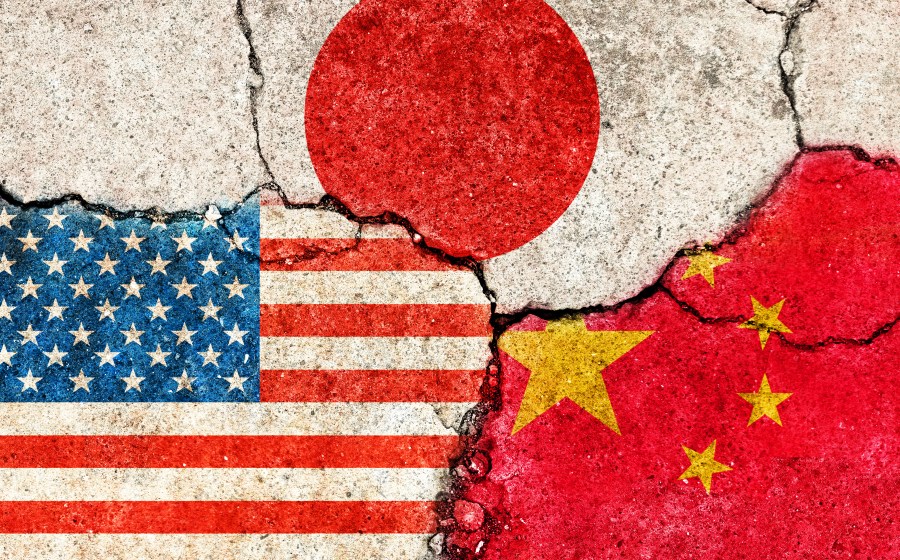
The ongoing trade negotiations between the United States and Japan have reached a critical juncture, with many calling on President Donald Trump to provide immediate tariff relief. As discussions continue, concerns are growing that prioritizing trade with China may undermine America’s longstanding security commitments to its allies, particularly in the Asia-Pacific region.
Japan has been vocal about the need for tariff reductions, which have significant implications for its economy. The U.S. imposes tariffs on a variety of Japanese goods, including automobiles and electronics, affecting trade dynamics and potentially leading to economic strain. The tariffs are seen as barriers to achieving a more balanced trade relationship, which both nations have expressed interest in fostering.
This situation has raised alarms among international observers who fear that Trump’s focus on China could send a troubling message to Japan and other allies. The perception that economic interests with Beijing take precedence over security commitments presents challenges for U.S. diplomatic relations. With Japan’s reliance on the U.S. for security against regional threats, the stakes are high.
Japan’s Prime Minister, Fumio Kishida, has reiterated the importance of tariff relief, emphasizing that it could bolster economic cooperation and strengthen bilateral ties. The Japanese government has indicated that easing tariffs could lead to increased investment and trade flows, which are crucial for Japan’s post-pandemic recovery.
The U.S. has historically been a crucial ally for Japan, particularly in terms of security and defense. As tensions continue to rise in the Asia-Pacific region, Japan is looking for assurances that its economic interests will not be sidelined. The ongoing negotiations reflect the delicate balance that must be maintained between trade and security.
Pressure is mounting on Trump to address these concerns. Business leaders in Japan have expressed frustration over the lack of progress on tariff reductions, stating that uncertainty hampers their ability to plan for the future. This sentiment is echoed by American businesses operating in Japan, which also stand to benefit from a more favorable trade environment.
As October 2023 approaches, the urgency for a resolution intensifies. The upcoming meetings between U.S. and Japanese officials present an opportunity for Trump to demonstrate his commitment to strengthening alliances through constructive trade policies.
The implications of failing to act could be profound, potentially straining U.S.-Japan relations. As both countries navigate these complex economic waters, the expectation is clear: Japan needs timely tariff relief, and the onus is on the Trump administration to respond effectively.
In conclusion, Japan’s call for tariff relief is not just an economic issue; it is entwined with broader security concerns. The decisions made in the coming weeks will resonate beyond trade, impacting the strategic landscape of the Asia-Pacific region. The world watches closely as the U.S. navigates its relationships with key allies, ensuring that economic interests do not overshadow security commitments.