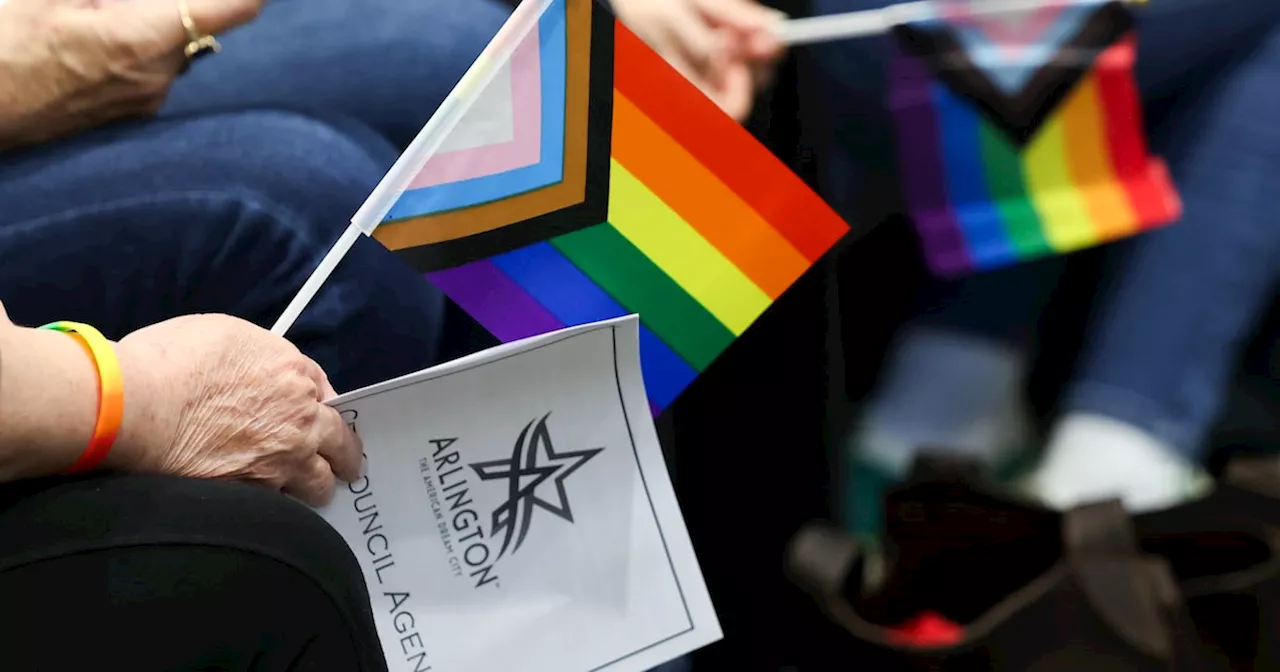
Arlington Pride, a major celebration in North Texas, has been canceled following a decision by the City Council to reject anti-discrimination protections for LGBTQ residents. The event, which has grown significantly since its inception in 2021, was expected to attract thousands of participants, but organizers have indicated that safety concerns have led to the cancellation of the 2026 festival.
Organizers announced the cancellation shortly after the City Council voted 5-4 against an ordinance designed to prevent discrimination based on sexual orientation and gender identity. This ordinance would have provided essential protections for residents in housing, employment, and public services. DeeJay Johannessen, CEO of the HELP Center for LGBT Health and Wellness, expressed disappointment in the council’s decision, stating, “Pride is about safety, celebration, and community. Without local anti-discrimination safeguards, we cannot guarantee those values for our attendees, performers, or partners.”
The rejected ordinance followed months of debate, with the LGBTQ community and its allies advocating for protections. The council’s vote on December 9, 2025, marks a significant shift in Arlington’s stance on LGBTQ rights. Some council members, including Rebecca Boxall, argued that the ordinance was unenforceable and labeled it “bad policy.” Boxall stated, “The way I looked at it… it does not offer protection. So in that respect, it’s just misleading.”
In September, concerns about potential federal funding loss led the council to temporarily suspend the ordinance. The Trump administration had threatened to withhold over $60 million in federal funds from cities not aligning with its policies. This decision has made Arlington one of the first cities in the United States to repeal a nondiscrimination ordinance due to fears of federal backlash.
While federal law prohibits discrimination in public spaces based on race, color, religion, or national origin, it does not extend those protections to sexual orientation or gender identity. According to the Movement Advancement Project, over 20 states and nearly 400 cities have implemented similar protections. In Texas, however, such measures remain absent at the state level, though cities like Dallas, Fort Worth, and Plano have adopted anti-discrimination policies.
Mayor Jim Ross, who voted in favor of restoring the protections, voiced his commitment to revisiting the issue in upcoming weeks. He stated, “Arlington is one of the most welcoming places. We want everyone to know they can feel safe and comfortable here.”
The cancellation of Arlington Pride has sparked mixed reactions on social media. Some individuals expressed their reluctance to support a community lacking protections, while others believe this moment should galvanize a more robust and vibrant celebration. One social media user noted, “Don’t you think now more than ever, we should host a louder, more exuberant pride?”
As discussions continue regarding LGBTQ rights in Arlington, the future of events like Arlington Pride remains uncertain. The implications of this decision extend beyond the festival, raising questions about the city’s commitment to inclusivity and support for its LGBTQ residents. The council’s subsequent actions will be closely monitored by both advocates and community members alike.