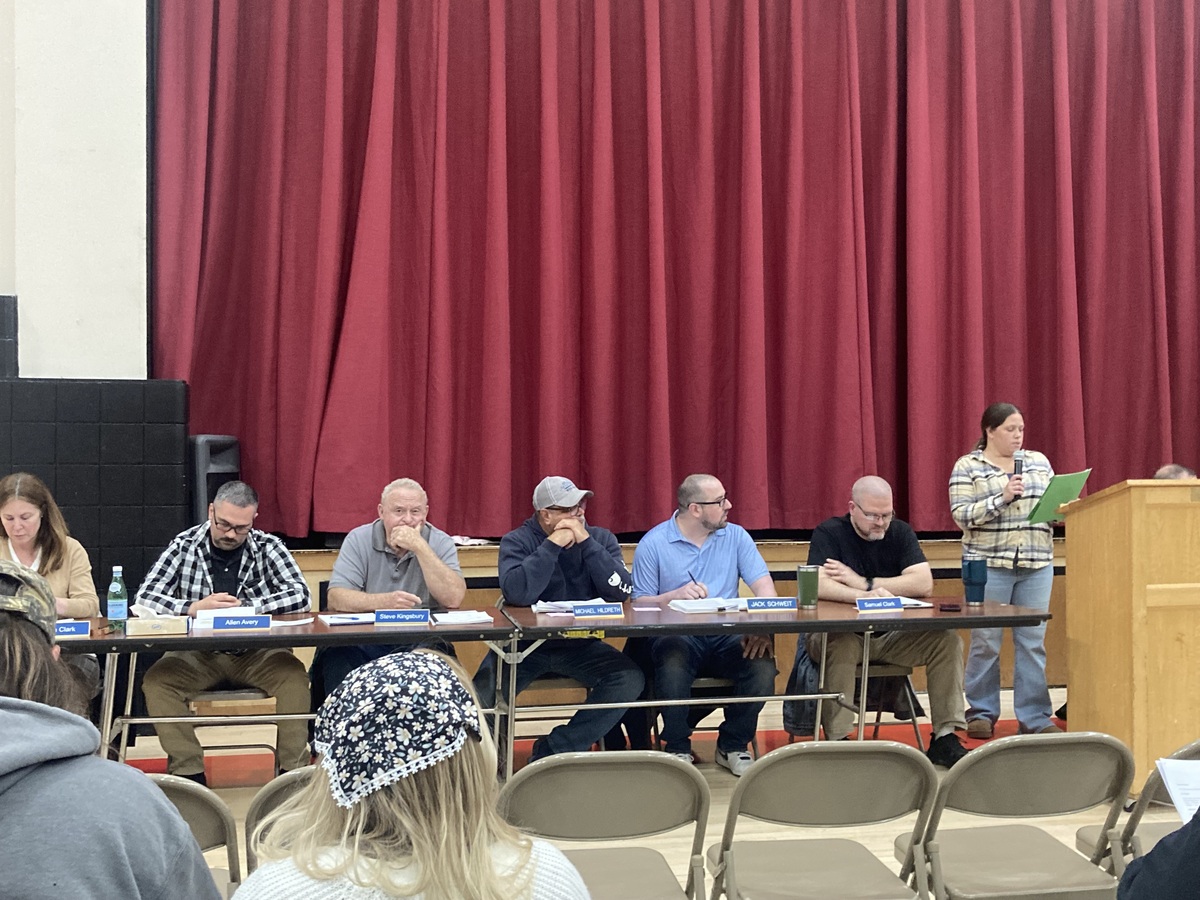
UPDATE: Tensions escalated in Washington Township as residents packed a zoning meeting on Thursday night to express their fierce opposition to a proposed data center that threatens to convert 312 acres of land into an industrial complex. The Washington Township Zoning Board is currently reviewing a rezoning request that would shift the land’s designation from agricultural residential to industrial research technology.
The California-based real estate firm Prologis is behind the ambitious “32 Mile Technical Campus” project, which aims to establish a data center and technical campus just south of 32 Mile Road and east of M-53. Citing Michigan’s attractive tax incentives and the burgeoning growth of artificial intelligence technologies, the company argues that this location is strategically valuable.
Residents voiced their concerns, particularly about environmental impacts and energy consumption. “This is going to be a huge energy drain. So my concern is how are they going to manage that?” questioned resident James Eridon during the standing-room-only meeting. Fellow resident Jacob Newby raised additional worries about the project’s water usage, asking whether the cooling systems would rely on well water or municipal sources.
Local resident Terry Templin, whose home is adjacent to the proposed site, acknowledged the need for technological advancement but expressed his apprehension. “If it affects lives, people are going to be upset about that and I’m close enough to where it’s going to affect me,” he stated emphatically.
The meeting revealed a palpable sense of urgency among residents, with many feeling that the development could dramatically alter their community. “There’s no stopping this growth,” Templin lamented, reflecting a broader sentiment that the rapid expansion of technology-related projects is outpacing community input.
In an effort to address these concerns, township officials have stated that the proposed project would not require groundwater extraction and is not expected to increase water or sewer rates. However, this reassurance has done little to quell the fears of local residents who worry about the long-term implications of such a significant development.
The planning commission did not reach a conclusion during the meeting, with discussions deferred to a follow-up meeting scheduled for early January. Residents are anxiously awaiting further updates as the future of their community hangs in the balance.
As this story unfolds, it highlights the urgent need for community engagement in development decisions that profoundly impact local environments and livelihoods. Residents are encouraged to stay informed and voice their opinions as the planning process continues.