BREAKING: Bulgaria’s government has officially resigned today, November 2, 2023, following widespread protests that have swept across the nation. This dramatic political shift occurs just weeks before Bulgaria is set to join the eurozone, raising urgent questions about the country’s future.
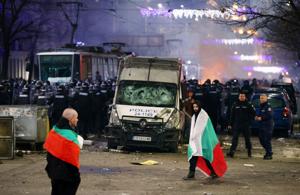
Mass demonstrations erupted in response to public discontent over rising living costs and perceived government inefficacy. Tens of thousands of Bulgarians took to the streets, demanding immediate changes in leadership and policy. The protests intensified over the last week, culminating in today’s resignation announcement from Prime Minister Nikolai Denkov’s administration.
WHY THIS MATTERS NOW: As Bulgaria prepares for its historic transition to the eurozone, the resignation could impact the nation’s economic stability and its integration into the European Union. The timing of this political upheaval poses significant challenges for the incoming government, particularly in managing economic reforms required by the eurozone.
In a statement released earlier today, Denkov acknowledged the “overwhelming voice of the people” and expressed regret that the government’s efforts were insufficient to meet public expectations. “We must listen to the citizens’ concerns and act decisively,” he stated.
The resignation has triggered reactions across Europe, with EU officials closely monitoring the situation. Analysts warn that political instability could jeopardize Bulgaria’s readiness to adopt the euro, which is scheduled for early 2024.
WHAT’S NEXT: As Bulgaria navigates this critical juncture, attention will now shift to potential successors and their ability to restore public confidence. The political landscape remains volatile, with calls for immediate elections gaining traction. Citizens are poised to continue protesting until their demands for change are fully addressed.
Stay tuned for further updates as this situation develops. The ramifications of Bulgaria’s political crisis are likely to resonate far beyond its borders, impacting regional stability and EU relations.