An executive from OpenAI has identified three job sectors poised for significant automation in the coming years. Olivier Godement, the head of business products at OpenAI, discussed these changes on the “Unsupervised Learning” podcast, highlighting the life sciences, customer service, and computer engineering industries as primary candidates for transformation due to advancements in artificial intelligence.
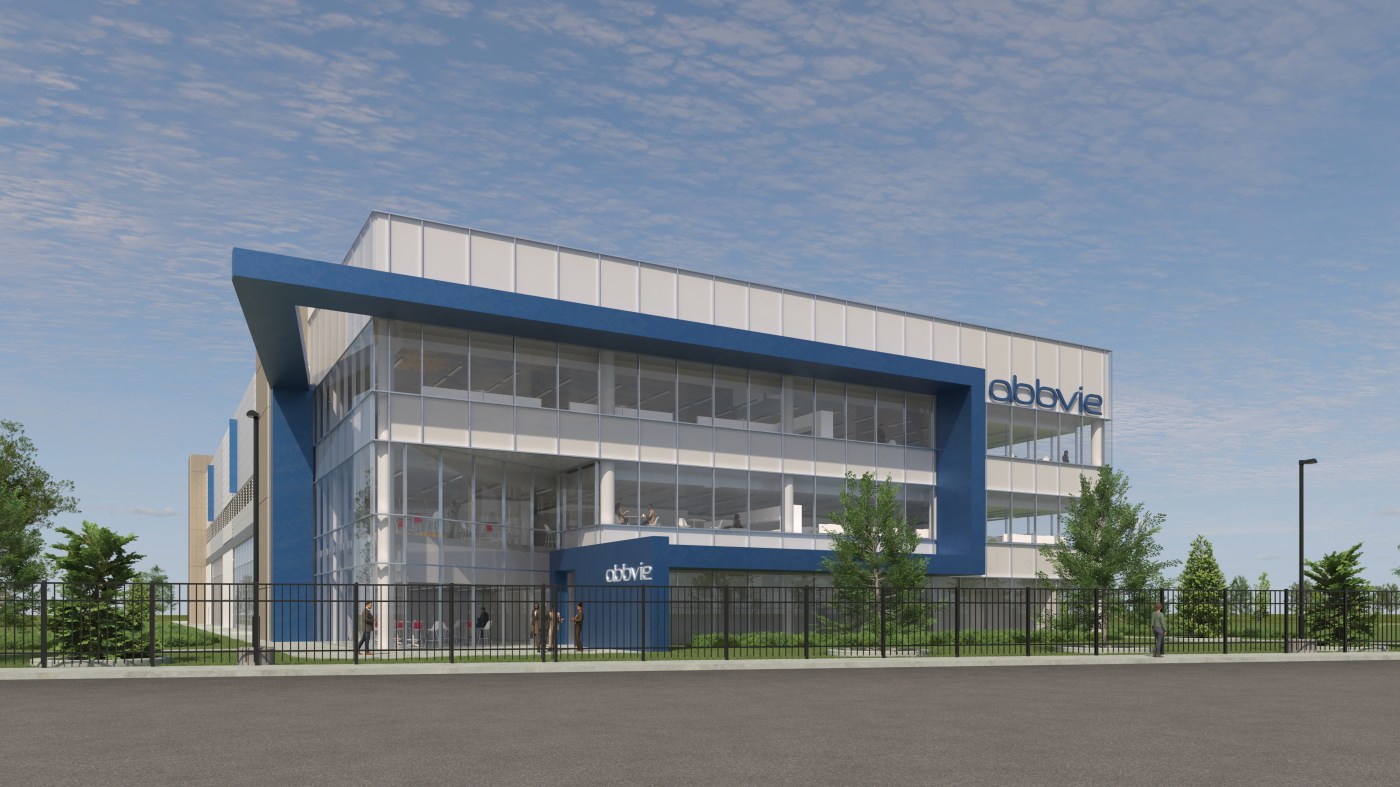
Godement emphasized the potential for automation in the life sciences, particularly within pharmaceutical companies such as Amgen. He noted that many administrative tasks involved in drug development are time-intensive and could be streamlined through AI technologies. “The time it takes from once you lock the recipe of a drug to having that drug on the market is months, sometimes years,” he explained. Godement pointed out that AI models excel in aggregating vast amounts of data and identifying changes in documentation, which could significantly reduce the timeline for bringing new drugs to market.
Impact on Customer Service and Software Engineering
In addition to life sciences, Godement indicated that customer-oriented roles, particularly in sales and customer experience, may also be automated soon. He mentioned his collaboration with T-Mobile, a major telecommunications provider in the United States, where they are working to enhance customer service quality through AI solutions. “We’re starting to achieve fairly good results in terms of quality at a meaningful scale,” he stated.
While Godement acknowledged that the full automation of software engineering roles is not yet feasible, he expressed optimism about the future. He noted that AI-assisted coding tools are beginning to integrate into various companies’ workflows. According to an Indeed study released in October, many technical positions, including software engineers and project managers, have seen significant job cuts during recent layoffs, underscoring the evolving landscape of employment in the tech sector.
Expert Perspectives on Future Automation
The discussion around automation is not new. Geoffrey Hinton, often referred to as the “Godfather of AI,” has offered insights into the trajectory of AI capabilities. He believes that technology will eventually surpass human ability in many intellectual tasks, although he cautioned that physically demanding jobs, such as plumbing, may remain safer for the foreseeable future. Hinton expressed concern for roles reliant on mundane intellectual labor, predicting that AI will likely replace many positions in this area.
“As AI continues to evolve, we may be surprised in the next one to two years by the number of tasks that can be automated reliably,” Godement remarked. The implications of these advancements raise important questions about the future of work and the ongoing adaptation of industries to incorporate AI technologies. As automation becomes increasingly prevalent, understanding its impact on various job sectors will be crucial for businesses and employees alike.