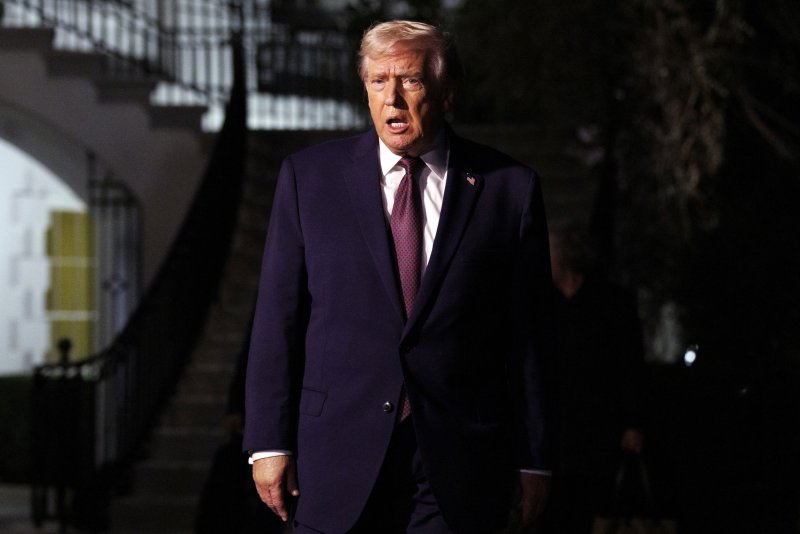
Asylum claims in the Bay Area have faced significantly higher rejection rates under the Trump administration, with federal immigration judges denying asylum applications at nearly double the rate seen during the previous administration. Between February and August 2025, judges in San Francisco and Concord denied approximately 54% of the 4,019 asylum cases reviewed, according to data from the Transactional Records Access Clearinghouse, a nonpartisan research center based at Syracuse University. In contrast, during the seven months of Joe Biden’s presidency prior, the courts rejected only 26% of 3,355 cases.
The sharp increase in denial rates is largely attributed to stringent new restrictions on asylum eligibility implemented by the Trump administration. Immigration experts indicate that these changes are part of a broader effort to manage the backlog of asylum cases while adhering to a policy that prioritizes rapid processing. The administration has also dismissed numerous immigration judges, contributing to a climate of uncertainty and fear for many asylum seekers.
According to Milli Atkinson, director of the Immigrant Legal Defense Program at the San Francisco Bar Association, applicants now experience “a sense of hopelessness” and “fear” regarding their cases. Asylum is a critical legal protection for individuals fleeing persecution based on race, religion, nationality, political opinion, or membership in specific social groups.
The Trump administration has justified its tougher stance on immigration by accusing the Biden administration of compromising public safety. Recent events, including a tragic shooting incident involving an Afghan asylum recipient, have intensified calls for rigorous vetting of asylum applicants. Kristi Noem, the U.S. Secretary of Homeland Security, stated, “We are going to go through every single person that has a pending asylum claim or has an asylum claim here in this country,” emphasizing the need for thorough background checks.
While these policies are being established, the practical implications for immigration courts in the Bay Area remain uncertain. On December 1, 2025, the U.S. Citizenship and Immigration Services issued a memo suspending a specific process that allowed asylum seekers without ongoing deportation cases to appeal denials to an immigration judge. Despite these changes, Atkinson noted that the San Francisco immigration court continues to operate as usual.
The Trump administration’s approach has led to the dismissal of around 90 immigration judges nationwide, including at least 11 in San Francisco and three in Concord. As a result, San Francisco now has nine judges, while Concord is down to seven. Judge Jeremiah Johnson, who was among those dismissed, described the lack of provided reasons for his firing as troubling. He emphasized his commitment to ensuring fair hearings for asylum seekers despite the mounting pressure to expedite case resolutions.
To address the backlog of cases, the Department of Justice has initiated recruitment for new “deportation judges.” A recent statement from the department emphasized its goal of restoring integrity to the immigration system while enhancing national security and public safety.
Despite the rising denial rates, the Bay Area still sees lower rejection levels compared to the national average. In August, 80% of asylum decisions nationwide resulted in denials, a substantial increase from 59% during the same month the previous year. The total number of denials has surged, exceeding 9,000 monthly, marking the highest levels recorded in recent administrations.
Although the Bay Area has also experienced an uptick in denials, the numbers remain significantly lower than the peak figures observed during Trump’s first term. Monthly denials in San Francisco have risen but are less than a third of the peak of 478 cases. The Concord court, which began operations only last year, recorded denials that have tripled to 144 in August, the most recent data available.
One factor influencing these differences is the availability of legal representation for asylum seekers in the Bay Area, which can lead to better outcomes in court. Nevertheless, as immigration authorities increasingly detain individuals with pending cases, many migrants are choosing to abandon their asylum claims. Atkinson highlighted the case of a mother who opted against pursuing asylum to avoid separation from her young children, stating, “A lot of people are giving up out of desperation.”
The evolving landscape of immigration policy under the Trump administration continues to create significant challenges for asylum seekers in the Bay Area and beyond. As the situation develops, the implications for individuals seeking refuge from persecution remain critical and complex.