UPDATE: MCE (Marin Clean Energy) is taking decisive steps to enhance financial oversight with the formation of a new finance committee. This urgent initiative was greenlit during an executive committee meeting held on Monday, where a significant majority of directors supported an expanded role for the committee beyond basic financial reviews.
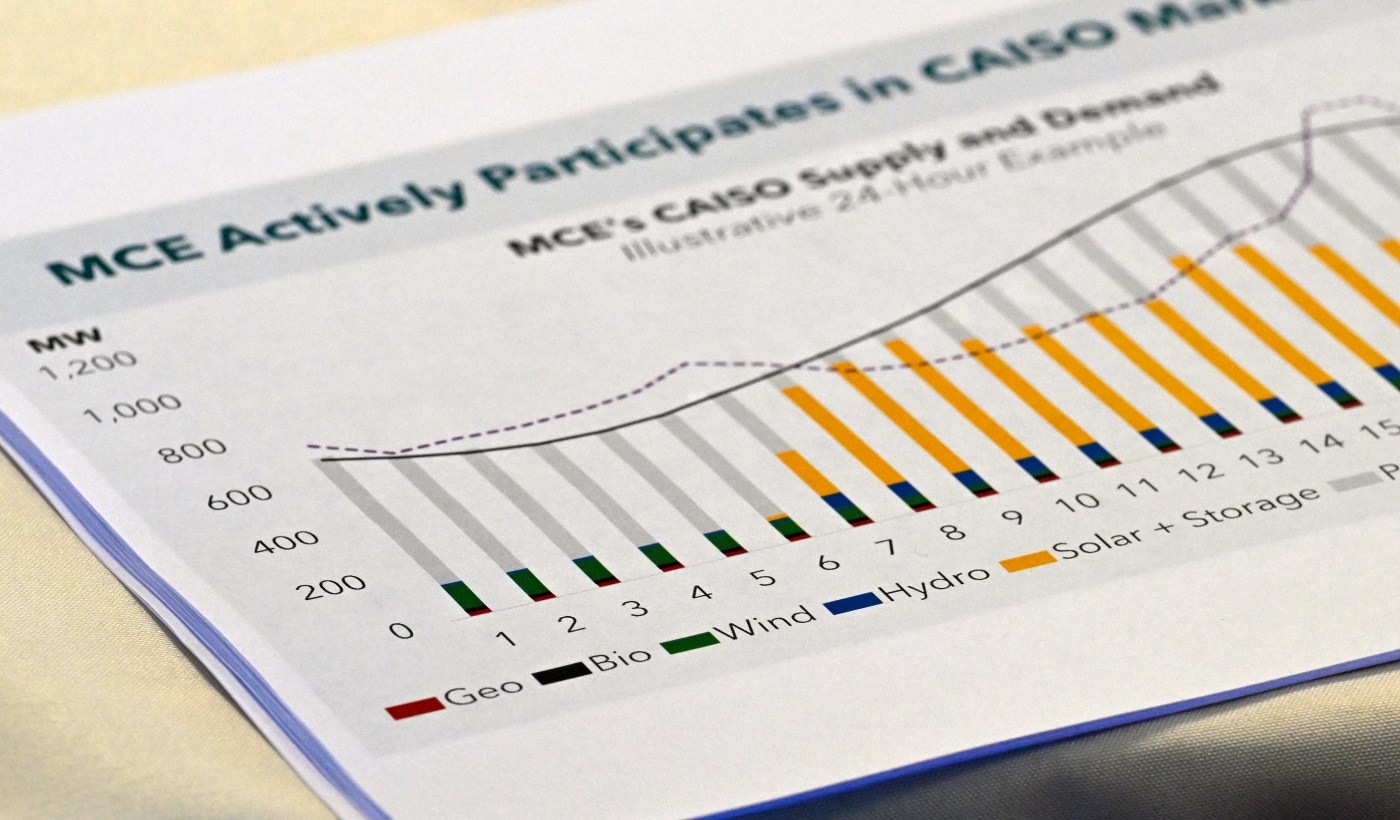
This development comes as MCE, which serves 1.5 million people across 38 communities in the Bay Area, grapples with ongoing financial challenges, including millions in operating losses over the past two years. Critics have raised serious concerns over the agency’s transparency and accountability, particularly regarding its renewable energy purchases, which amount to a staggering $800 million annually.
The committee is expected to not only review financial statements, budgets, and reserves but also evaluate the financial implications of strategic decisions and future risks. “Some of these issues are not specific to finance,” said Max Perrey, chair of the executive committee. “I’m hoping we can wrap this up and then move forward very quickly, probably at the January board meeting.”
Calls for reform echoed throughout the meeting, with public comments emphasizing the importance of thorough scrutiny. Alicia Minyen, an accountant from Solano County, urged that the finance committee investigate last year’s purchase of renewable energy credits—a transaction valued at $200 million. “That really needs to be thoroughly investigated,” she asserted, highlighting the need to avoid “greenwashing.”
Critics, including Dan Segedin from the Marin Conservation League, pointed out that the risk management of energy prices is critical, citing contracts that could cost ratepayers tens or even hundreds of millions in the coming years. “That’s where all the money is, that’s where all the risk is,” he stated.
Despite the overwhelming support from many directors for a more proactive finance committee, resistance remained. Some members, including Barbara Coler, MCE’s longest-serving director, questioned whether the agency’s finances warranted such oversight. Weisz, who did not attend the meeting, has historically opposed the establishment of a finance panel.
The board’s recent decision to form the committee reflects a significant shift towards greater accountability. Directors are now tasked with defining the committee’s scope and membership, with most favoring a size of five to seven members. Discussions also highlighted the potential inclusion of non-voting public members and experts to enhance transparency.
As MCE faces increasing scrutiny and financial hurdles, the establishment of this finance committee represents a pivotal moment for the agency’s governance. Stakeholders are keenly watching how this will unfold, particularly as MCE prepares for its next board meeting in January.
With calls for enhanced oversight growing louder, the finance committee’s success may prove crucial in restoring public trust and ensuring sustainable financial practices within MCE. As the situation develops, the agency’s approach to financial management will be closely monitored by both supporters and critics alike.
Expect more updates on this urgent issue as MCE moves towards a more transparent financial future.