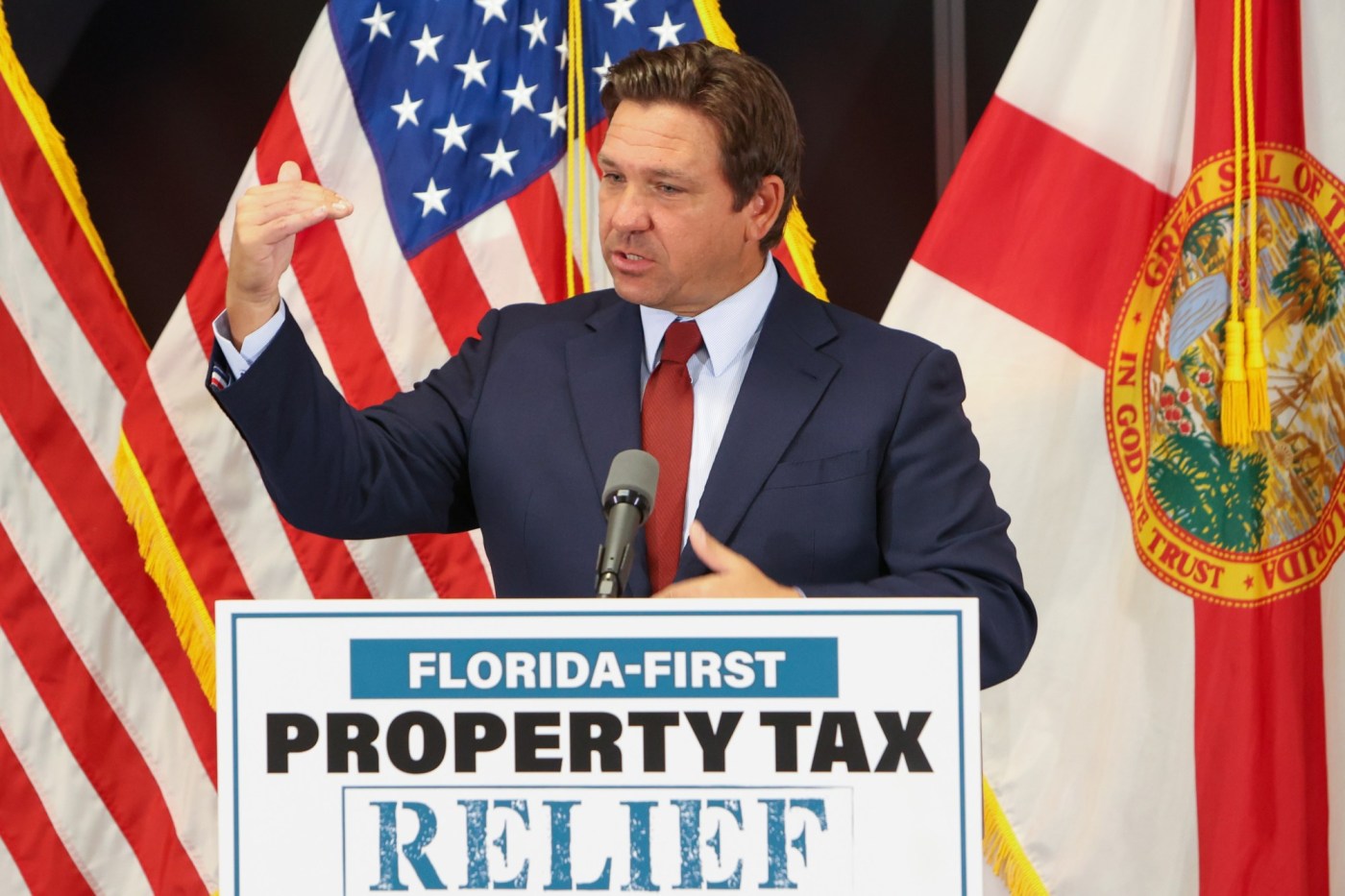
Recent discussions in Florida have ignited a heated debate over proposed property tax reforms, coinciding with a tragic incident involving two National Guard soldiers in Washington, D.C. The discourse reflects both the challenges facing local governance and the societal implications of violence against service members.
Florida state Representative Ryan Chamberlin has introduced a bold initiative to phase out property taxes, aiming to alleviate the financial burden on homeowners. Critics, primarily from the Democratic Party, have reacted with concern, suggesting that the plan lacks a viable strategy for replacing potential lost revenue. This response has been characterized as overly dramatic by some observers.
Chamberlin’s proposal, dubbed the “Freedom 1-2-3” plan, is designed to transition Florida to a new taxation model. A key feature includes a 5% tax on real estate transactions, which would be incorporated into long-term mortgage agreements. Proponents argue that this approach would be more affordable for property owners compared to the traditional property tax system. Additionally, the plan suggests redirecting tax burdens towards tourism-related activities, leveraging the substantial economic contributions from visitors. In 2023, spending by out-of-state tourists in Florida reached $131 billion, a 4.9% increase from the previous year.
Opponents of the tax reform emphasize the potential loss of revenue that funds essential public services, including education. The plan also proposes a 3% sales tax to support schools, which has been met with skepticism given that many homeowners may not have children in the public education system.
Debate surrounding this plan has intensified as Florida’s Republican voter registration advantage grows. Some believe that if successful, this could position Florida as the first state to eliminate property taxes, potentially reshaping the political landscape and impacting Democratic party strategies.
In a separate but equally poignant matter, the shooting of two National Guard soldiers in Washington, D.C., has drawn national attention and sorrow. The servicemen were fulfilling their duties when their lives were tragically cut short. This incident has sparked conversations about the sacrifices made by National Guard members, who often juggle civilian responsibilities alongside military service.
Duncan DeMarsh, a resident of DeLand, expressed outrage at the violence against those who serve. He called for accountability and justice for the perpetrator, emphasizing that violence against service members undermines national values. DeMarsh urged Americans to reflect on the dedication and courage of National Guard personnel, especially during the holiday season.
Meanwhile, the political climate has been further complicated by remarks from former President Donald Trump, who used a derogatory term to describe Minnesota Governor Tim Walz in a Thanksgiving message. Critics, including Clint Buczkowski from Lake Mary, condemned the comments as disrespectful and indicative of a lack of leadership. Buczkowski expressed concern that such rhetoric diminishes the discourse surrounding disability and reflects poorly on Trump’s character.
As Florida navigates its potential tax reform, and the nation grapples with the ramifications of violence against service members, these issues underscore the complexities of governance, public sentiment, and the need for respectful dialogue in political discourse. The discussions surrounding property tax reform and the tragic loss of National Guard members reflect broader societal challenges that require careful consideration and compassionate response.