The recent opinion letters published in The Dallas Morning News reveal a spectrum of sentiments regarding the intersection of politics, culture, and societal issues in the United States. Readers expressed concerns about the influence of far-right movements, the value of nursing as a profession, and the cultural significance of sports teams.
Glenn Rogers’s commentary on the rise of dominionist groups highlights the merging of far-right political ideologies with certain religious movements. He emphasizes that this trend poses a significant threat to the constitutional fabric of the nation, particularly as it relates to civil society. Rogers specifically mentions individuals like Tim Dunn and Lt. Gov. Dan Patrick, whom he sees as proponents of this agenda. He calls on citizens to recognize the ambitions of these groups, which seek control over various societal domains, including religion, education, and media.
In a contrasting view, Paul G. Hill from Garland criticizes this religious movement for distorting the essence of Christianity. He argues that the movement, which he describes as fringe, has exploited the faith for political leverage, leading to a departure from the original teachings of Jesus of Nazareth. Hill expresses disappointment, stating that the movement’s focus on judgment and condemnation diverges from the core principles of Christianity.
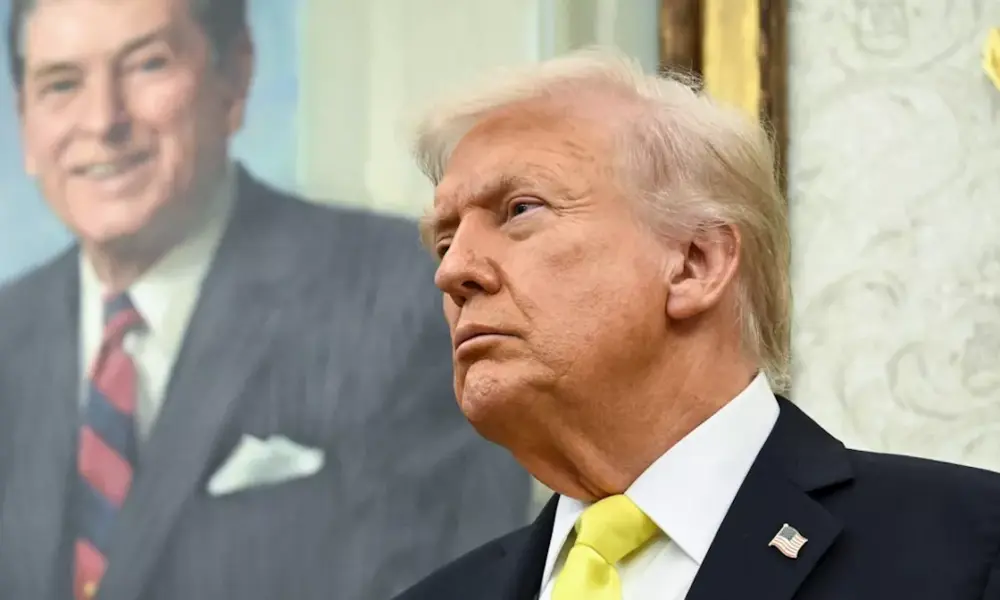
The conversation surrounding President Donald Trump also featured prominently in the letters. Kathy Johnston from Carrollton condemned the President’s remarks that nursing is not a professional occupation. She pointed out that nursing has consistently ranked as the most ethical profession according to Gallup for over two decades, with approximately 88% of nurses being women. Johnston’s remarks underscore the ongoing challenges women face in professional recognition and support.
In the realm of sports, opinions varied on the designation of “America’s Team.” Barry Rothschild defended the Dallas Cowboys’ claim to this title against assertions made by Tim Cowlishaw regarding the Kansas City Chiefs. Rothschild highlighted the Cowboys’ storied history, including legendary figures like Troy Aikman and Emmitt Smith, and their cultural impact, arguing that the team embodies a legacy that transcends recent performance.
The letters also addressed broader social issues, including drug trafficking and the implications of unlawful military orders. Alfred Wilson emphasized the dangers posed by drug runners, connecting their actions to the overdose crisis impacting communities nationwide. Additionally, John Thompson raised concerns about the potential dangers of obeying unlawful orders in the military context, suggesting a need for congressional action to uphold democratic principles.
Finally, Alan Abeson reflected on the landmark Education for All Handicapped Children Act, signed into law by President Gerald Ford on November 29, 1975. He noted that this legislation has transformed the educational landscape for millions of children with disabilities, allowing them access to public education and integrating them into society.
As these letters demonstrate, the discourse surrounding political, social, and cultural issues continues to be vibrant and multifaceted, reflecting the diverse perspectives of individuals across the United States. Each opinion offers a unique lens through which to view the complexities of modern American life.