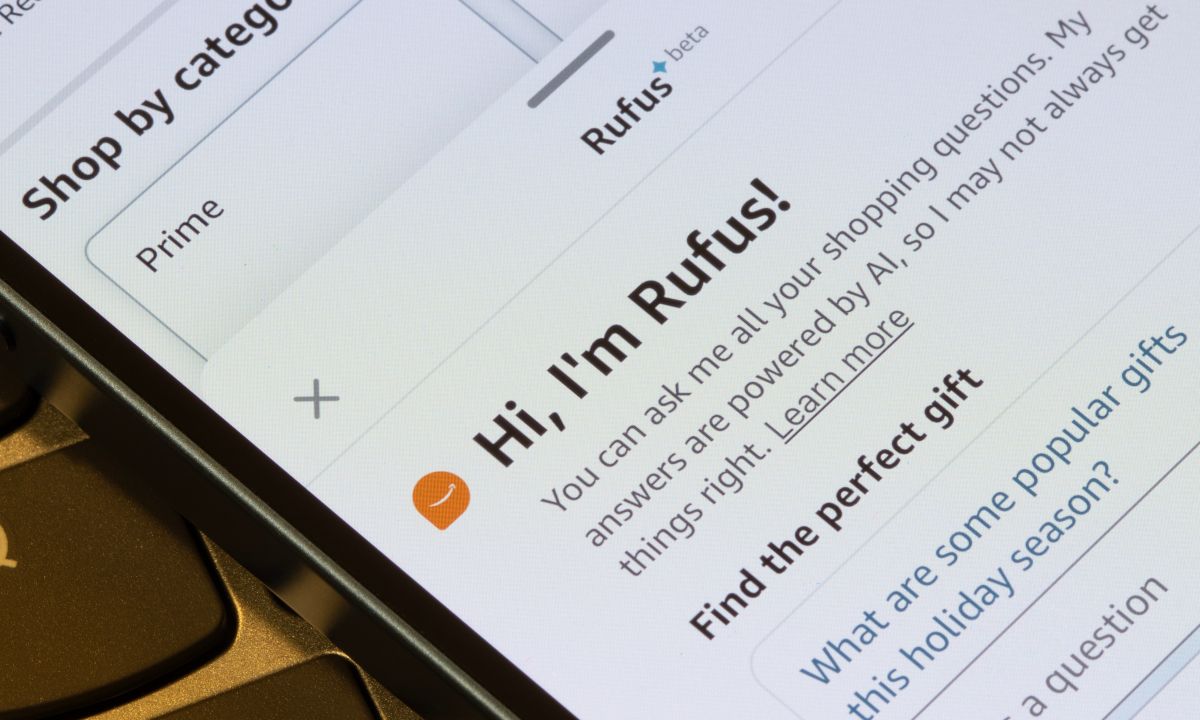
Online shopping experienced a significant surge this Black Friday, with consumers spending a staggering $11.8 billion, marking a 9% increase from the previous year. This record-breaking figure, reported on November 29, 2025 by Reuters, highlights the growing influence of artificial intelligence in shaping consumer behavior during the holiday shopping season.
According to data from Adobe Analytics, AI-driven traffic to retail websites in the United States surged by 805% compared to last year. This increase aligns with the introduction of AI shopping assistants such as Walmart’s Sparky and Amazon’s Rufus. Suzy Davidkhanian, an analyst at eMarketer, noted that these new tools are helping consumers navigate their shopping experience more efficiently. “Gift giving can be stressful, and LLMs [large language models] make the discovery process feel quicker and more guided,” she stated.
The retail sector is adapting to a challenging economic landscape, with the National Retail Federation projecting that shoppers will collectively spend over $1 trillion during the months of November and December. This forecast indicates a year-over-year increase ranging from 3.7% to 4.2%. Although this might typically be viewed as a hopeful outlook, the current economic environment presents unique challenges.
Research from PYMNTS indicates that in September, 26% of consumers reported difficulties in meeting their financial obligations, the highest level in two years. This financial strain has led to a shift in shopping behavior, with consumers increasingly seeking value. Recent quarterly earnings from Walmart highlighted that value continues to be a primary driver for shoppers, who are turning to digital channels to find the best deals.
While uncertainties loom over whether spending will be sufficient to stabilize a retail sector grappling with fluctuating consumer confidence and ongoing supply chain issues, major players like Walmart and Amazon are taking proactive measures. PYMNTS elaborated that these companies are operating under the assumption that proactive strategies are essential for success.
In related developments, PYMNTS consulted OpenAI’s ChatGPT to predict the holiday season’s trajectory. The chatbot suggested that online channels will dominate holiday spending, driven by AI-enhanced search functionalities, retailer chat assistants, and personalized offers. However, it also noted a trend of increased foot traffic in physical stores for purposes such as trying on apparel, testing electronics, and making last-minute purchases.
Overall, the fusion of technology and retail is reshaping the shopping landscape, with AI tools enhancing convenience and efficiency for consumers. As the holiday season progresses, the interplay between online shopping and traditional retail will likely continue to evolve, reflecting changing consumer preferences and economic realities.