In a significant move to enhance school safety, Pennsylvania has enacted Act 44 of 2026, which mandates that schools inform parents, guardians, and staff within 24 hours whenever a weapon is brought onto school property. This law, signed on November 6, 2026, aims to address persistent communication gaps that have left families in the dark about serious incidents.
The legislation was introduced by State Senator Jarrett Coleman in response to alarming situations in Pennsylvania schools. For instance, in April 2023, a fourth-grade student at the Parkland Area School District brought a knife to school with harmful intentions, yet the community was not informed until a week later, following a report from the Pennsylvania State Police.
Addressing Delayed Communications
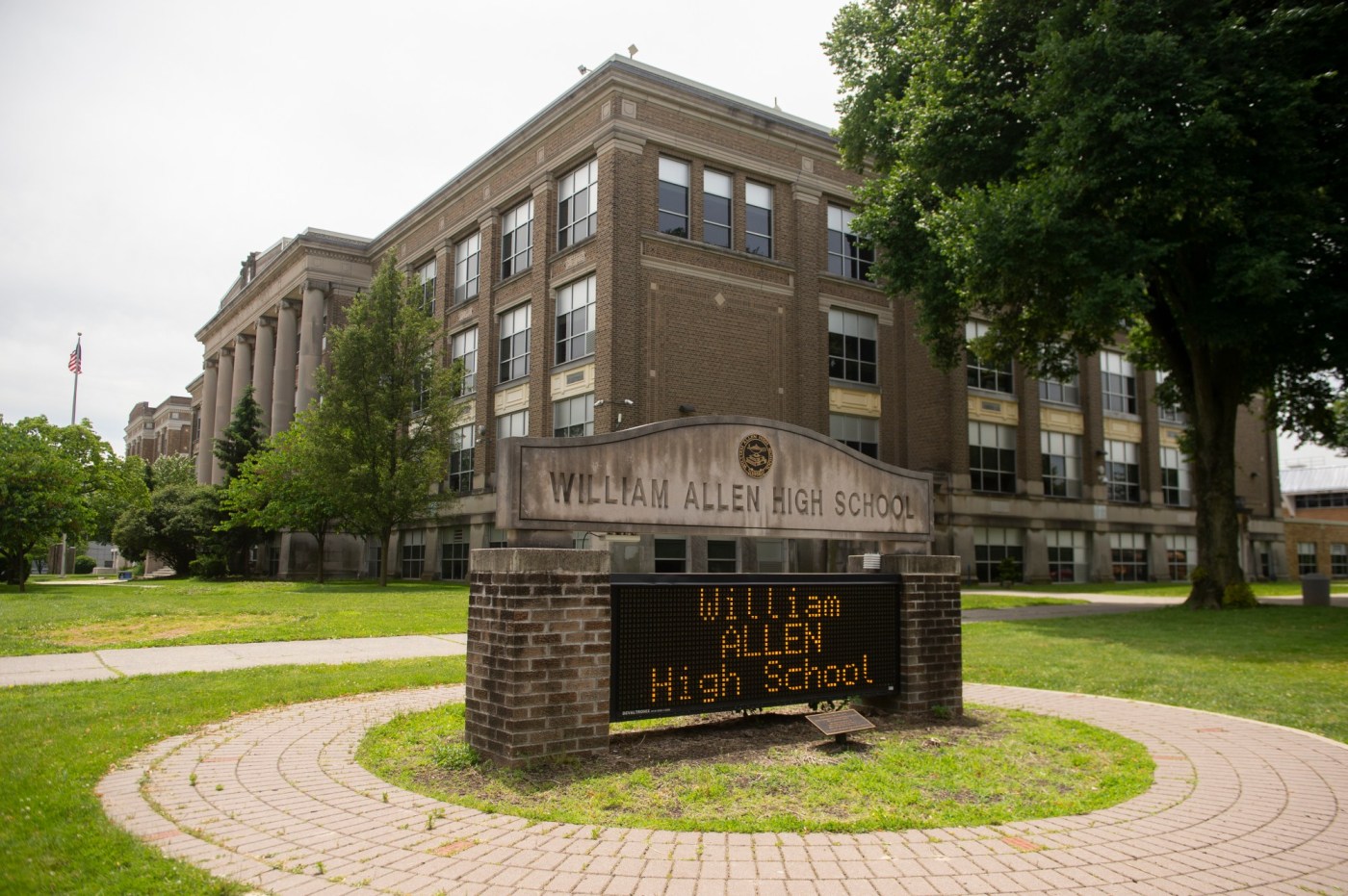
Such delays in communication can lead to confusion and erode trust between schools and families. In another case, William Allen High School in Allentown went into lockdown in September 2022 due to nearby gunfire, only for parents to learn days later that a 14-year-old student had entered the school armed with a loaded handgun. These incidents exemplify a broader trend of insufficient notification that has often left parents unaware of critical safety issues.
Act 44 represents a step toward rectifying this situation. The law provides schools with the flexibility to choose the most effective communication methods—be it a phone call, text, or email—ensuring that important safety messages reach families promptly. The emphasis is on quick, clear communication rather than dictating specific methods.
This legislation garnered overwhelming bipartisan support, passing with a vote of 48–2 in the Senate and 202–1 in the House. This rare unity highlights the shared commitment to improving school safety across political lines.
Future Steps for School Safety
The introduction of Act 44 is only the beginning, according to Senator Coleman. He acknowledges that while the law enhances transparency, further measures are needed to ensure comprehensive safety for students. Previously, schools were only required to report weapon incidents to the Department of Education if a student faced expulsion, often leaving significant details unreported.
In addition to the new notification requirements, Coleman plans to advocate for legislation that mandates security personnel be assigned on a per-building basis rather than one officer per district. He points out that having a security officer stationed far from a school poses unacceptable risks to student safety.
“When it comes to our kids, providing a safe environment for them to learn is paramount,” Coleman stated. “Families deserve to know what’s happening in their schools. They deserve honesty. They deserve action.”
As Pennsylvania moves forward with these reforms, the focus remains on strengthening school safety measures and fostering collaboration between parents and educational institutions. Transparency is positioned as a foundational element of accountability, with the ultimate goal of ensuring safer schools for all students.